Shyam Cookware Blog - Guides & Tips

Shyam Cookware Knowledge Hub

Cookware Guides, Maintenance Tips & Insights

Explore expert buying guides, pressure cooker safety tips, and cookware advice.

0%

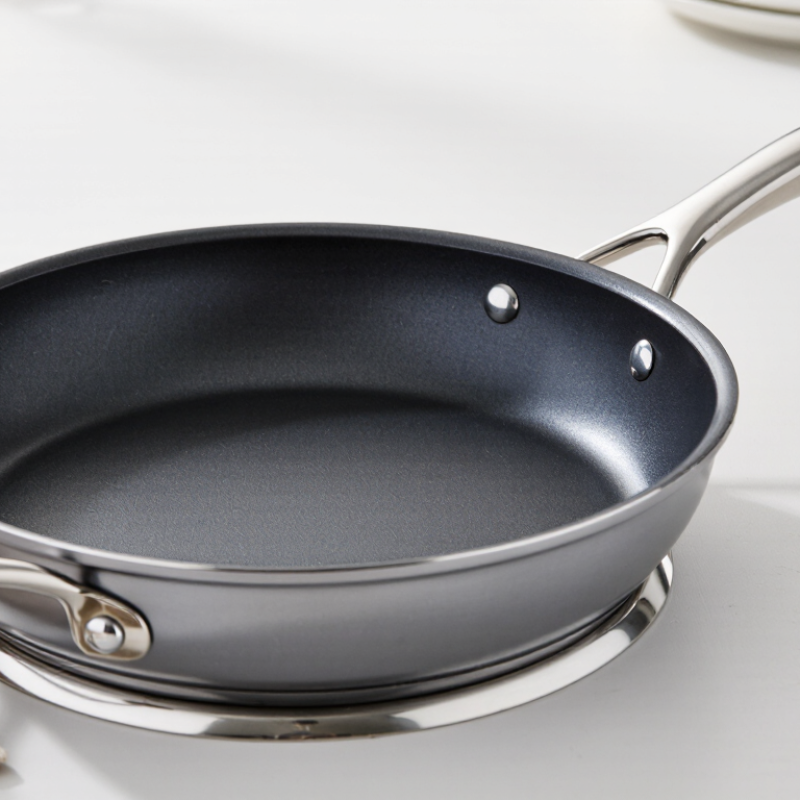
Choosing a Non-Stick Fry Pan is not simply about comparing prices or coating claims. Global buyers must assess cooking performance, safety expectations, supply reliability, and long-term value. A pan that performs well on gas may disappoint on induction. Handle comfort can also change after repeated lifting. Small details matter.

This guide examines aluminum bodies, stainless steel layers, coating types, base design, weight, diameter, and heat distribution. It also considers food-contact requirements, labeling, packaging, and documentation across different markets. Buyers should request material specifications, test reports, factory records, and clear warranty terms. Certifications deserve verification, not blind trust. A polished brochure proves little.

Practical evaluation should include a flatness check, handle inspection, coating review, and repeated heating tests. Look for even browning, stable movement, easy cleaning, and signs of early wear. Yet no buying formula is perfect. Consumer habits, shipping conditions, and regional regulations can change the result. I would not choose the cheapest option automatically, but premium pricing alone is weak evidence. Reliable decisions come from comparing samples with measurable criteria and honest supplier communication. This approach helps importers select a Non-Stick Fry Pan for real kitchens, realistic budgets, and responsible sourcing goals.
2026 How to Choose a Non Stick Fry Pan for Global Buyers?

What Defines a Non-Stick Fry Pan in 2026

What Defines a Non-Stick Fry Pan in 2026

In 2026, a non-stick fry pan is more than a smooth cooking surface. It combines a stable pan body, an evenly applied coating, and predictable heat control. The surface should release eggs, fish, and thin pancakes with little added oil. It should also resist early bubbling, peeling, and uneven discoloration during normal household use. These details matter to global buyers because cooking habits, heat sources, and safety requirements vary between markets.

A reliable pan needs clear material information and practical test evidence. Check the coating type, base material, handle attachment, oven limits, and compatibility with induction or gas stoves. Independent testing can support claims about abrasion resistance and food-contact safety. Still, no coating lasts forever. Metal utensils, excessive heat, and sudden temperature changes can shorten its useful life. I have found that a pan with excellent release may still disappoint if its base heats unevenly.

Tips: Choose a flat, balanced pan with a comfortable handle. Inspect the cooking surface under bright light. Avoid vague claims such as “permanent non-stick.” Ask for care instructions and test reports when purchasing for international distribution. Consider local labeling rules, packaging standards, and warranty expectations. A slightly heavier base often feels slower at first, but it can provide steadier browning. That trade-off deserves honest evaluation.

How to Compare Coating Types, Materials, and Construction

2026 How to Choose a Non Stick Fry Pan for Global Buyers?

Coating choice affects release, cleaning, and service life. PTFE-style coatings usually provide smooth cooking with moderate heat. Ceramic coatings feel responsive, but their release performance may decline sooner with frequent high-heat use. Coating quality matters more than marketing language. Check food-contact documentation, temperature guidance, and abrasion testing. Avoid assuming a “stone” finish means stronger protection.

The pan body also changes daily performance. Aluminum heats quickly and keeps the pan relatively light. Stainless steel offers strength, but it may need a thicker bonded aluminum layer for even heating. Cast iron holds heat well, though it feels heavier and requires more care. Look for a flat base, consistent wall thickness, and a handle that stays stable during lifting. Riveted handles can feel secure, but exposed rivets may collect residue. That detail is easy to overlook.

Tips: Match the pan to your buyers’ stoves, recipes, and cleaning habits. Inspect the base for warping. A pan that works on gas may behave differently on induction. Avoid metal tools unless the maker specifically permits them. No coating lasts forever. Heat control still matters. In real purchasing, the cheapest option can become expensive after early replacement. However, premium construction does not guarantee perfect release. Compare test data, warranty terms, packaging protection, and supplier communication before deciding.

Which Size, Shape, and Handle Design Fits Your Market

2026 How to Choose a Non Stick Fry Pan for Global Buyers?

For global buyers, pan selection starts with cooking habits, not a catalog photo. A 20-centimeter pan suits single portions, compact kitchens, and smaller retail packs. A 24- or 28-centimeter model handles family meals, but it needs more shelf and shipping space. Small is not simple. Measure the usable cooking surface, not only the rim diameter. A sloped wall gives easier tossing, while a straighter wall holds sauces and larger ingredients.

Shape should follow local menus. A shallow round pan supports eggs, vegetables, and quick stir-frying. A deeper profile reduces splashing during sauce-based cooking. Induction users may need a fully stable magnetic base, while gas users often value responsive heat and a balanced center. During sample reviews, I check wobble on a flat counter, heat distribution, coating release, and cleaning time. Ask for repeat-use testing, food-contact documentation, and clear care instructions. Claims without test evidence create avoidable purchasing risk.

Handle design changes both safety and logistics. Long handles improve control but complicate cartons and crowded stovetops. Short side grips save space, though they demand careful lifting technique. Heat-resistant materials matter, yet a cool-touch claim should be verified after realistic cooking trials. Test the grip. I once favored a light pan because it reduced freight weight. It felt efficient, but the handle flexed under a full load. That mistake reminded me to compare weight, balance, fastener strength, and user hand size. Markets differ, and one universal design may suit a spreadsheet, not a kitchen.

2026 How to Choose a Non Stick Fry Pan for Global Buyers? - Which Size, Shape, and Handle Design Fits Your Market

Pan Size Typical Cooking Surface Best Shape Typical Use Suitable Household Size Recommended Handle Design Hob and Oven Considerations Best Market Positioning
20 cm
(8 in)
Approximately 14–16 cm flat cooking surface Round, shallow-sided frying pan One egg, small omelet, reheating, single portions, and compact kitchens One person or occasional light use Short or medium-length ergonomic handle; hanging hole is useful for small kitchens Check that the base is large enough for stable contact with the hob; compact pans may be less stable on large burners Entry-level, student housing, single-person households, travel, and small-apartment cookware sets
24 cm
(9.5 in)
Approximately 17–20 cm flat cooking surface Round frying pan with gently sloped sides Eggs, pancakes, vegetables, small fish fillets, and quick sautéing One to two people Medium-length stay-cool handle with a comfortable grip; detachable handle can improve storage efficiency Suitable for most standard hobs; verify induction compatibility through the magnetic stainless-steel base Compact everyday pan and a practical size for value-focused retail channels
26 cm
(10 in)
Approximately 19–22 cm flat cooking surface Round, medium-depth fry pan Daily frying, omelets, stir-fried vegetables, chicken pieces, and medium portions Two people or light family cooking Balanced medium-length handle; a hanging loop and heat-resistant soft-touch grip improve usability Good general-purpose size for gas, electric, ceramic, and induction versions when the base is engineered correctly Core mid-range size for international general merchandise and cookware assortments
28 cm
(11 in)
Approximately 21–24 cm flat cooking surface Round, medium-depth fry pan Family breakfasts, meat portions, fish, vegetables, pancakes, and everyday sautéing Two to four people Long ergonomic handle with a stable thumb rest; optional helper handle is useful for heavier constructions Works well on common household hob sizes; induction models should have a flat, fully bonded magnetic base Most versatile family size for supermarkets, online retail, and cookware set bundles
30 cm
(12 in)
Approximately 23–26 cm flat cooking surface Wide round pan or shallow sauté-style pan Large portions, family meals, multiple eggs, meat, seafood, and one-pan dishes Three to five people Long handle plus helper handle; helper handle should remain cool enough for safe lifting Needs sufficient burner support and storage space; a thicker base helps reduce hot spots on larger cooking zones Family-oriented premium or mid-to-high range, especially for larger households
32 cm
(12.5 in)
Approximately 25–28 cm flat cooking surface Wide shallow sauté pan or high-sided frying pan Large family portions, batch cooking, entertaining, and broad foods such as fish fillets Four to six people Two-point handling system with a long main handle and reinforced helper handle Confirm cabinet, dishwasher, and hob dimensions before selection; broad bases require even heating design Large-family, food-service-inspired, and premium cookware collections
24–28 cm
Square
Usually provides more usable corner area than a round pan of similar width Square grill or square frying pan Grilled sandwiches, bacon, vegetables, steaks, and foods that benefit from straight edges Two to four people Long handle with a secure grip; a helper handle is recommended for cast or thick-gauge bodies Corner contact may vary by hob type; confirm that the base sits flat and is suitable for the intended heating surface Specialty cookware, grilling-focused ranges, and design-led kitchen collections
24–28 cm
Deep Sauté
Typically offers a broad base with 5–7 cm side height Round, straight-sided sauté pan Stir-frying, sauces, braising, shallow frying, and meals with more liquid Two to four people Long handle plus side helper handle; handles should be securely riveted or firmly attached Higher sides improve capacity but add weight; oven-safe models require heat-resistant handle materials and clear temperature limits Multi-function cookware, space-saving collections, and premium everyday cooking
Selection guidance: For a broad international assortment, 24 cm, 26 cm, and 28 cm are generally the most practical core sizes. Offer 20 cm for compact households, 30–32 cm for family cooking, and square or deep sauté shapes for specialty positioning. Actual capacity, weight, and compatibility depend on body thickness, base construction, coating system, and handle materials.
Important specification checks: Confirm the pan’s external diameter, flat-base diameter, body thickness, total weight, coating care instructions, maximum oven temperature, dishwasher guidance, induction compatibility, handle attachment method, and required packaging dimensions before finalizing a market-specific design.

How to Assess Safety, Durability, and Cooking Performance

Choosing a non-stick fry pan for global buyers requires more than checking its price or surface shine. Safety begins with clear food-contact information, coating specifications, and tested temperature limits. Ask suppliers for independent test reports and material declarations. Confirm that the pan follows the food-contact rules in your target market. Requirements can differ between regions.

Inspect the coating under bright light. It should look even, without bubbles, scratches, or exposed metal near the rim. A stable handle matters too. Grip it with a dry cloth and check for movement. Loose fittings often become dangerous after repeated heating. The base should match your cooktop, especially for induction users. No shortcuts here.

Durability depends on thickness, rivet quality, and heat control. A thin pan may heat quickly but develop hot spots. Eggs then brown unevenly. I once underestimated handle balance, and the pan felt awkward when filled with vegetables. That small detail affected daily use more than expected. Test the pan with a wooden or silicone utensil, not metal tools. Avoid extreme temperature changes, such as placing a hot pan under cold water. The surface may survive longer, but no coating is permanent. Buyers should also consider replacement parts, care instructions, and realistic warranty terms. Marketing language can sound convincing. Documentation is better.

How Global Buyers Can Evaluate Suppliers and Compliance

How to Choose a Non Stick Fry Pan for Global Buyers?

A reliable supplier should explain the pan’s materials, coating layers, handle construction, and intended temperature range. Do not rely on attractive photos. Request a complete specification sheet, coating declaration, food-contact test reports, and batch traceability records. Reports should come from competent, independent laboratories, with clear test methods and dates.

Compliance requirements differ across markets. Check restrictions for food-contact materials, coating substances, heavy metals, packaging, and product labeling. Ask whether the documents cover the exact model, not a similar sample. Confirm the factory can repeat testing when materials or production lines change. A small detail matters: the report should identify the tested coating and pan body separately.

Visit the production site when possible. Observe surface inspection, curing temperatures, thickness checks, and final packing. Request samples from normal production, then test them with repeated heating, washing, and utensil contact. Look for blistering, uneven release, loose handles, or damaged edges. Real use reveals more.

I once treated a certificate as final proof. That was too simple. Documents can be valid but outdated, incomplete, or unrelated to the shipment. Keep written approval records, inspection photos, corrective-action reports, and agreed replacement terms. Supplier communication also shows expertise. Clear answers build confidence; vague promises deserve another question.

FAQS

How should global buyers choose a fry pan size?

Choose based on serving size, kitchen space, and shipping limits. A 20-centimeter pan suits single portions. A 24- or 28-centimeter pan handles family meals. Measure the cooking surface, not only the rim.

Which pan shape fits different cooking styles?

A shallow round pan suits eggs, vegetables, and quick stir-frying. A deeper pan reduces splashing when cooking sauces. Sloped walls support tossing. Straighter walls hold ingredients better.

What should buyers check for induction and gas cooking?

Induction cooking needs a stable magnetic base. Gas cooking often benefits from responsive heating and balanced weight. Test the pan on a flat counter. Any wobble deserves investigation.

How does handle design affect product performance?

Long handles improve control but require larger cartons and more stovetop space. Short side grips save space. They need careful lifting. Test grip comfort with different hand sizes.

What handle problems can appear during real cooking?

A handle may feel secure when empty but flex under a full load. I once overlooked this. Compare weight, balance, fastener strength, and lifting comfort.

What supplier documents should buyers request?

Request material details, coating information, handle construction, and temperature limits. Ask for food-contact reports, coating declarations, and batch records. The documents should identify the exact model.

How can buyers verify coating quality before purchasing?

Test samples from normal production. Use repeated heating, washing, and suitable utensils. Check for blistering, uneven release, damaged edges, and loose handles. One test is not enough.

Are certificates alone enough to approve a supplier?

No. Certificates may be outdated, incomplete, or linked to another sample. Confirm test dates, methods, and production details. Keep inspection photos and written approval records. I trusted one certificate too quickly.

Conclusion

In 2026, choosing the right Non-Stick Fry Pan requires more than checking its surface coating. Global buyers should compare coating types, base materials, wall thickness, heat distribution, and construction quality to understand how each pan performs across different cooking methods and market expectations. Size, shape, weight, and handle design should also match local household habits, retail preferences, storage needs, and compatibility with common cooktops.

A reliable evaluation should cover food release, heat response, scratch resistance, cleaning convenience, and expected service life under regular use. Buyers should also examine supplier capabilities, production consistency, quality-control procedures, packaging, documentation, and compliance with applicable food-contact and product-safety requirements in their target markets. By assessing technical performance, practical design, supplier reliability, and regulatory readiness together, importers and distributors can select a Non-Stick Fry Pan that offers dependable value, consistent quality, and strong long-term market suitability.

Clara

Clara

Clara is a professional marketing specialist with a strong understanding of product strategy, customer needs, and effective digital communication. As a valued member of the company, she combines market insight with practical product knowledge to create clear, useful, and engaging content for......