Shyam Cookware Blog - Guides & Tips

Shyam Cookware Knowledge Hub

Cookware Guides, Maintenance Tips & Insights

Explore expert buying guides, pressure cooker safety tips, and cookware advice.
Blog

10 Stainless Steel Gas Stove Buying Tips for Buyers

10 Stainless Steel Gas Stove Buying Tips for Buyers

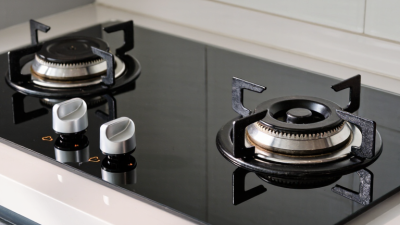
Choosing a Stainless Steel Gas Stove involves more than picking a finish that suits your kitchen. Measure the available space, including the cutout and clearance around the appliance. Check where the gas connection sits, and confirm that installation requirements match your home. Small details matter. A stove that looks compact in a showroom may crowd a narrow counter once its grates and knobs are in place. Burner performance deserves careful attention. Compare burner sizes and heat settings with the meals you actually cook, from a low simmer to a fast boil. Look for sturdy grates that sit level, controls that are easy to read, and an ignition system you can operate comfortably. Stainless steel can show fingerprints and water spots, so consider how much daily cleaning you are willing to do. Looks can mislead. A glossy surface may photograph beautifully but still require frequent wiping. These ten buying tips will help you compare practical features, not just appearance. They cover size, burner layout, materials, cleaning, safety features, warranty details, and the service available in your area. A common oversight is focusing on maximum burner output while ignoring whether the smaller burners hold a steady flame. Also, do not assume every model fits every kitchen. Verify the product specifications and installation guidance before committing. There may not be one perfect stove for every buyer; the right choice depends on your space, cooking habits, budget, and tolerance for upkeep.
Read more »
Evelyn By:Evelyn - October 31, 2026
Why Choose a Glass Top LPG Gas Stove?

Why Choose a Glass Top LPG Gas Stove?

Why Choose a Glass Top LPG Gas Stove? The answer begins with daily practicality, not showroom shine. A smooth tempered-glass surface gives the kitchen a clean, modern appearance. It also makes spills easier to notice and wipe away. One damp cloth can remove sauce, oil, and cooking residue. That matters after a busy meal. “Reliable cooking depends on stable flame control and disciplined installation, not appearance alone,” says Dr. Anika Rao, a gas-appliance safety engineer and industry educator. Her point is easy to test at home. A quality Glass Top LPG Gas Stove should support steady flames, firm pan placement, and responsive control knobs. It should also match the correct LPG regulator, hose, and burner specifications. Qualified installation remains essential. Never treat it as a casual fitting task. The glass top is strong, but it is not indestructible. A heavy pot, sharp impact, or sudden temperature shock can damage it. That is the part many product descriptions understate. Users should lift cookware gently and avoid placing cold water on a hot surface. Check the flame regularly. Blue flames usually indicate efficient combustion, while yellow flames may require professional inspection. A Glass Top LPG Gas Stove can combine visual simplicity with useful cooking control. It saves cleaning effort and suits compact, contemporary kitchens. Still, its value depends on safe habits, proper maintenance, and honest product selection. The attractive surface is only the beginning. Performance earns trust.
Read more »
Evelyn By:Evelyn - October 26, 2026
2026 Best Hard Anodised Tawa for Global Buyers?

2026 Best Hard Anodised Tawa for Global Buyers?

Choosing the right Hard Anodised Tawa in 2026 requires more than comparing prices and polished product photos. Global buyers need dependable heat control, safe materials, practical sizing, and consistent manufacturing quality. A tawa may look impressive online, yet perform poorly on a real kitchen burner. That gap matters. Cookware materials specialist Dr. Asha Mehta explains, “A good tawa should heat evenly, release food cleanly, and remain comfortable in the hand.” This principle guides our evaluation. We examine aluminium thickness, anodising consistency, base flatness, handle strength, and coating claims. We also consider gas, electric, ceramic, and induction compatibility. Not every model suits every market. Small details become visible during daily use. A thick base can reduce hot spots while cooking roti or dosa. A balanced handle helps when lifting a hot pan repeatedly. A smooth cooking surface needs less oil, but “non-stick” claims still require careful checking. Some manufacturers provide vague specifications. That should make buyers pause. Our 2026 comparison focuses on trusted performance, not exaggerated promises. We assess heating response, food release, cleaning effort, packaging quality, and long-term usability. Regional preferences also matter. A compact 24-centimetre tawa may suit smaller households, while restaurants often need wider cooking surfaces. Induction readiness remains especially important for international buyers. There is no perfect choice. Even a highly rated Hard Anodised Tawa can disappoint when used with unsuitable cookware tools or excessive heat. Buyers should review warranty terms, care instructions, and verified customer feedback before ordering. This guide offers practical direction, but personal cooking habits still decide the final winner.
Read more »
Clara By:Clara - October 21, 2026
Top 10 Non Stick Dosa Tawa Suppliers for Global Buyers

Top 10 Non Stick Dosa Tawa Suppliers for Global Buyers

Choosing the right Non-Stick Dosa Tawa supplier requires more than comparing catalog prices. Global buyers need consistent quality, stable production, clear documentation, and responsive service. A smooth dosa should spread evenly, release cleanly, and develop a golden edge without excessive oil. These details often reveal more than polished product photographs. This guide introduces ten suppliers serving international cookware markets. Each company is considered through practical factors, including aluminum or cast iron construction, coating performance, base compatibility, handle design, packaging, minimum order quantities, and export experience. Factory capabilities, sample policies, certifications, and communication standards also matter. A supplier may offer an attractive price, yet weak packaging can cause scratches before the pan reaches a retailer. Real testing remains essential. Buyers should request samples, inspect coating uniformity, measure heating performance, and test the tawa on gas and induction where relevant. Ask for current compliance documents and written warranty terms. Do not rely on old certificates. The ranking is useful, but it is not permanent. Market conditions, raw material costs, and manufacturing teams can change. Even established suppliers may have inconsistent batches. That is an uncomfortable reality. This overview therefore supports careful comparison rather than automatic selection. With verified samples, transparent specifications, and realistic order planning, buyers can identify a Non-Stick Dosa Tawa partner that supports dependable quality and long-term customer trust.
Read more »
Marielle By:Marielle - October 16, 2026
2026 How to Choose a Non Stick Fry Pan for Global Buyers?

2026 How to Choose a Non Stick Fry Pan for Global Buyers?

Choosing a Non-Stick Fry Pan is not simply about comparing prices or coating claims. Global buyers must assess cooking performance, safety expectations, supply reliability, and long-term value. A pan that performs well on gas may disappoint on induction. Handle comfort can also change after repeated lifting. Small details matter. This guide examines aluminum bodies, stainless steel layers, coating types, base design, weight, diameter, and heat distribution. It also considers food-contact requirements, labeling, packaging, and documentation across different markets. Buyers should request material specifications, test reports, factory records, and clear warranty terms. Certifications deserve verification, not blind trust. A polished brochure proves little. Practical evaluation should include a flatness check, handle inspection, coating review, and repeated heating tests. Look for even browning, stable movement, easy cleaning, and signs of early wear. Yet no buying formula is perfect. Consumer habits, shipping conditions, and regional regulations can change the result. I would not choose the cheapest option automatically, but premium pricing alone is weak evidence. Reliable decisions come from comparing samples with measurable criteria and honest supplier communication. This approach helps importers select a Non-Stick Fry Pan for real kitchens, realistic budgets, and responsible sourcing goals.
Read more »
Clara By:Clara - October 11, 2026
Best China Non-Stick Kadhai Suppliers for Global Buyers?

Best China Non-Stick Kadhai Suppliers for Global Buyers?

Global buyers are seeking reliable Non-Stick Kadhai suppliers as cookware demand expands across retail, hospitality, and online channels. A Non-Stick Kadhai combines Indian cooking traditions with modern convenience. Its rounded body supports stirring, frying, and preparing gravies with less sticking. Small details matter. The handle must stay cool. The coating must appear even. The base should sit flat on induction or gas stoves. Industry data supports careful market attention. Grand View Research has reported steady growth in the global cookware market, supported by urban households, replacement purchases, and premium kitchen products. Fortune Business Insights has also identified consumer interest in durable, convenient, and aesthetically designed cookware. However, market estimates differ by research method and product definition. Buyers should treat headline figures as direction, not proof. China remains an important manufacturing base for coated cookware, offering broad production capacity and flexible customization. Yet supplier selection requires more than comparing quotations. Global buyers should review coating specifications, aluminum or stainless-steel grades, thickness consistency, heat distribution, and production quality controls. Testing records should be current and traceable. Factory audits can reveal details that catalog photographs hide. Look beyond the lowest price. A sample may perform well, while a mass batch varies. That risk deserves attention. Ask suppliers for food-contact compliance documents, coating test results, packaging specifications, and export experience for the destination market. The best China Non-Stick Kadhai suppliers combine consistent workmanship, transparent communication, dependable lead times, and responsive after-sales support. No shortlist is perfect. Still, a structured evaluation can reduce costly surprises and build a more reliable global sourcing program.
Read more »
Clara By:Clara - October 6, 2026
China Top 10 Tri Ply Kadhai Manufacturers for Global Buyers

China Top 10 Tri Ply Kadhai Manufacturers for Global Buyers

China’s Tri-Ply Kadhai sector is gaining attention from global cookware buyers seeking heat control, durability, and scalable production. A tri-ply body usually combines stainless steel, an aluminum heat-conducting core, and another stainless-steel layer. This structure supports more even heating than many single-layer vessels, especially when preparing curries, biryani, or slow-simmered sauces. Industry data supports this growing interest. Fortune Business Insights estimates that the global cookware market was worth about USD 19.69 billion in 2023 and may reach nearly USD 29.96 billion by 2032. Grand View Research also identifies stainless steel and multi-layer construction as important product segments. However, these reports use different market definitions. Their figures should guide planning, not replace supplier verification. This guide reviews China’s top 10 Tri-Ply Kadhai manufacturers for international buyers. It focuses on practical purchasing details, including stainless-steel grades, aluminum-core thickness, forming quality, lid fit, handle attachment, polishing consistency, and factory inspection systems. Export experience also matters. A polished sample can hide weak welds or uneven bases. Look closely at test records. Ask for material certificates, food-contact documentation, dimensional tolerances, and batch photographs. Confirm whether the stated thickness applies to the full body or only the base. That small detail can change performance and cost. No ranking is permanently perfect. Supplier capabilities change, and online information may become outdated. Buyers should still audit samples, verify certifications, and compare landed costs before signing contracts. The best manufacturer is not always the cheapest. It is the one that can repeat the same quality at commercial volume.
Read more »
Clara By:Clara - October 1, 2026
How to Choose Tri Ply Stainless Steel Cookware?

How to Choose Tri Ply Stainless Steel Cookware?

Choosing Tri-Ply Stainless Steel Cookware is less about buying the heaviest pan and more about understanding its construction. A typical tri-ply design bonds stainless steel around an aluminum core. Stainless steel offers a durable cooking surface, while aluminum helps spread heat. The International Stainless Steel Forum’s Stainless Steel in Figures 2024 report records 58.4 million tonnes of global stainless steel production in 2023. That figure reflects the material’s industrial scale, not cookware quality. A pan still needs careful evaluation. Materials scientist Mark Miodownik captures why construction matters: “Materials are the stuff of life.” His words offer a useful lens, though they are not a cookware-testing verdict. Look for clear layer descriptions, a flat base, secure handles, and a rim that feels smooth. Check whether the pan’s weight suits your wrist and cooking habits. Small details count. A thick base may feel reassuring, yet it can make daily lifting less comfortable. This guide explains how to compare core thickness, heat response, finish, and compatibility with your stove. It also considers care requirements and value over time. Marketing claims can sound precise while leaving key details unclear. That deserves a second look. No single pan fits every kitchen, and tri-ply construction alone cannot guarantee even heating or long service. The better choice is the one whose materials, design, and handling match how you actually cook.
Read more »
Marielle By:Marielle - September 26, 2026
7 Tips for Buying a Hard Anodised Pressure Cooker?

7 Tips for Buying a Hard Anodised Pressure Cooker?

Choosing a Hard Anodised Pressure Cooker is not simply about finding the darkest, heaviest pot. It involves judging materials, capacity, safety systems, cooking performance, and everyday comfort. A cooker may look solid on a store shelf, yet its lid can feel awkward after several minutes of handling. Small details matter, especially when steam, heat, and a full pot are involved. Pressure-cooking educator Laura Pazzaglia offers a useful principle: “Pressure cooking is about controlling time, temperature, and moisture.” That idea should guide every buying decision. A reliable Hard Anodised Pressure Cooker needs a clear pressure indicator, a dependable sealing gasket, strong handles, and an easy release mechanism. Check whether the base suits your stovetop. Many hard-anodised aluminum models work well on gas and electric cookers, but induction compatibility is not automatic. These seven tips will examine what buyers often overlook. They will cover wall thickness, capacity, safety features, cleaning, warranty support, and real kitchen usability. A three-litre model may suit one person, while a six-litre cooker offers more room for beans, stock, or family meals. Bigger is not always better. It may also become heavy and difficult to store. There is room for honest doubt. Marketing descriptions can sound impressive. Hands-on checks remain essential. Look closely at the gasket, valve, rivets, and handle before purchasing. A cooker should feel controlled, not intimidating, when steam begins to rise.
Read more »
Marielle By:Marielle - September 21, 2026
China Best Handi Pressure Cooker Manufacturer?

China Best Handi Pressure Cooker Manufacturer?

Choosing the China Best Handi Pressure Cooker Manufacturer requires more than comparing prices or polished factory photos. A dependable supplier should demonstrate practical experience, stable production, and clear quality controls. This matters because a Handi Pressure Cooker must withstand heat, pressure, repeated use, and daily handling. Small details can reveal much. Check the lid fit, gasket material, handle strength, safety valve design, and base flatness. Ask for material specifications and test records. Do not rely on attractive claims alone. A professional manufacturer should explain its production process in plain language. It should also provide consistent samples before bulk purchasing. Useful evidence may include factory audits, product certifications, inspection reports, and customer references. However, documents do not replace careful evaluation. A sample may perform well while later batches vary. That risk deserves attention. Communication speed, packaging quality, replacement support, and export experience also influence long-term reliability. Experienced buyers often test several units under controlled conditions, rather than approving one sample immediately. There is no universal answer. The best supplier depends on your market, capacity, budget, and compliance requirements. A manufacturer serving household retailers may not suit commercial kitchens. Similarly, a low-cost model may require stronger inspection or improved packaging. This article will examine how to compare Chinese suppliers, verify technical capabilities, assess safety features, and identify realistic indicators of trust. It will also consider common weaknesses in supplier evaluation, because even careful decisions can miss hidden production differences. The goal is a balanced, evidence-based approach to selecting a capable Handi Pressure Cooker manufacturer.
Read more »
Evelyn By:Evelyn - September 16, 2026
How to Choose the Best Stainless Steel Pressure Cooker 2026?

How to Choose the Best Stainless Steel Pressure Cooker 2026?

Choosing the right Stainless Steel Pressure Cooker in 2026 requires more than comparing prices and polished product photos. The decision affects cooking speed, durability, maintenance, and household safety. Fortune Business Insights reported that the global pressure cooker market reached approximately USD 5.27 billion in 2023. Its forecast also indicates steady growth through 2032, supported by busy households and energy-conscious cooking. These figures suggest strong demand, but market growth does not make every cooker reliable. A useful evaluation should examine steel grade, base construction, pressure controls, gasket quality, handle design, and warranty support. Food-grade 18/10 stainless steel, often associated with 304 stainless steel, offers strong corrosion resistance for regular kitchen use. However, the label alone proves little. Some products use thinner steel or weaker layered bases. A heavy, flat base usually distributes heat more evenly across a gas or induction hob. That detail matters when onions begin browning or milk-based dishes threaten to scorch. Safety comes before capacity. The U.S. Consumer Product Safety Commission and recognized pressure-cooking guidance emphasize secure locking systems, controlled steam release, and intact seals. Buyers should also check whether the model carries credible conformity marks for its selling region. The European Commission’s product-safety framework and relevant EN standards provide useful reference points, although certification details still require verification. A practical review should test cleaning access, valve visibility, and replacement-part availability. Grand View Research’s cookware industry analysis highlights material durability and convenience as important purchasing factors. Still, reports describe markets, not individual products. This guide therefore combines published data with observable design evidence. Some judgments remain imperfect, and that is worth admitting. A beautiful cooker may still disappoint after six months of daily use.
Read more »
Clara By:Clara - September 11, 2026
10 Tips for Choosing an Induction Pressure Cooker?

10 Tips for Choosing an Induction Pressure Cooker?

Choosing an Induction Pressure Cooker requires more than comparing prices and glossy product photos. The right model should match your cooktop, cooking habits, household size, and safety expectations. A cooker that performs beautifully in a showroom may feel awkward beside a crowded sink. Small details matter. Laura Pazzaglia, a pressure-cooking educator and founder of Hip Pressure Cooking, offers a practical principle: “Pressure cooking is about controlling heat, time, and liquid.” That idea guides this selection process. The ten tips will examine induction compatibility, stainless-steel construction, base thickness, pressure settings, capacity, sealing systems, safety features, handles, cleaning, and warranty support. Each point connects product specifications with real kitchen use. Look for a flat, magnetic base that sits steadily on the induction zone. Test the handle position mentally. Can you lift a full six-quart cooker without twisting your wrist? Check whether the pressure indicator is easy to read through steam. Confirm that replacement gaskets and valves are available from a dependable source. Safety comes before speed. A durable cooker should release pressure predictably and lock securely. It should also have clear instructions, not confusing symbols. User reviews can reveal loose handles, staining, or difficult cleanup, although reviews are not perfect evidence. I once underestimated lid maintenance; that mistake made an otherwise excellent cooker frustrating to use. Your priorities may differ. Families may need larger capacity, while one-person kitchens may value lighter handling. These tips are designed to support careful comparison, not force one universal choice.
Read more »
Evelyn By:Evelyn - September 11, 2026