Shyam Cookware Knowledge Hub
Explore expert buying guides, pressure cooker safety tips, and cookware advice.
Expert Buying Guides
Learn how to choose and maintain the best pressure cookers for your modern kitchen.
Tri-Ply & Non-Stick Advice
Discover the benefits of tri-ply, non-stick technology, and LPG gas stove maintenance.
An Aluminium Pressure Cooker is a sealed cooking vessel that combines heat, water, and controlled steam pressure. Its aluminium body transfers heat quickly across the base and sidewalls. Inside, boiling water creates steam. The locked lid traps that steam, raising pressure and increasing the cooking temperature beyond ordinary boiling.
The principle is simple. The details matter. Pressure-cooking references from the National Center for Home Food Preservation explain that pressurized environments can reach approximately 240–250°F, or 116–121°C, during approved canning processes. A household cooker may operate differently, depending on its pressure setting, gasket, valve, and design. Therefore, pressure should never be judged only by a hissing sound. A stable regulator and an undamaged sealing ring are more meaningful signs.
Aluminium also brings practical advantages. It is lightweight, relatively affordable, and highly conductive, which can help a cooker respond quickly when the burner changes. The International Aluminium Institute’s Aluminium Statistical Review shows the metal’s enormous global production and recycling infrastructure, supporting its continued use in everyday products. However, production scale does not prove that every cooker is durable or safe. That assumption needs questioning.
In the kitchen, the difference becomes visible. Beans soften faster. A stew develops under a quiet, sealed lid. Steam escapes only through the designed valve. Users must still follow the manufacturer’s filling limits, release instructions, and maintenance guidance. The U.S. Department of Agriculture emphasizes safe handling temperatures and careful cooking practices, but it does not replace the cooker’s own instructions. Understanding how an Aluminium Pressure Cooker works means respecting both its efficient physics and its small, easily overlooked risks.
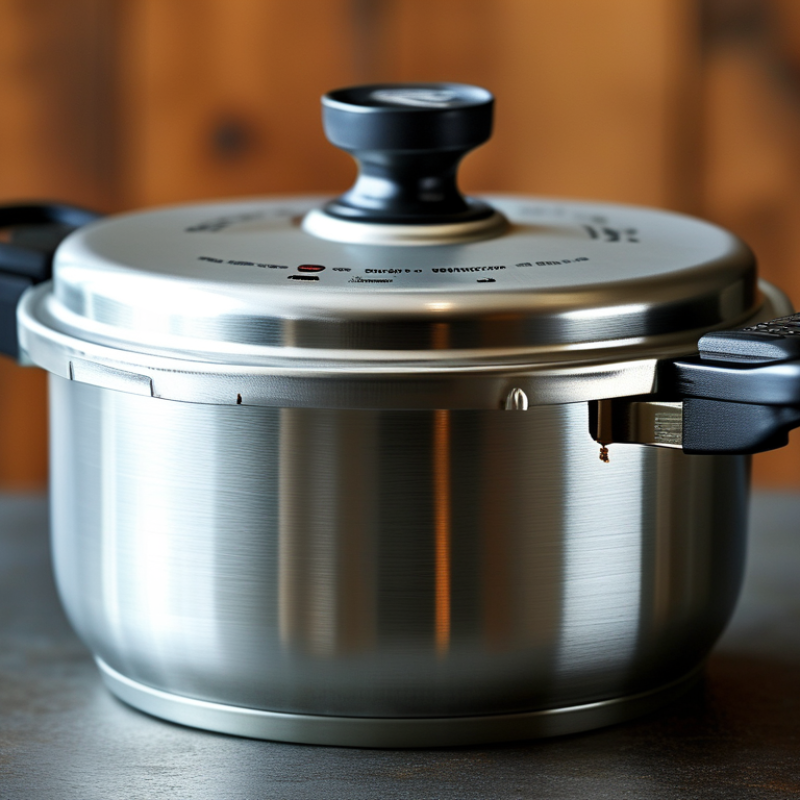
An aluminium pressure cooker is a lightweight cooking pot designed to trap steam under controlled pressure. It usually has a thick aluminium body, a locking lid, a sealing gasket, and a pressure-control valve. Aluminium transfers heat quickly, so the cooker responds fast on a gas or electric stove. It is also easier to lift than many steel models.
Steam changes everything. As water heats, steam fills the sealed space above the food. Pressure rises because the steam cannot escape freely. The increased pressure raises water’s boiling point, often to about 120°C at common cooking pressure. Food therefore cooks faster, while beans, meat, and tough vegetables become tender in less time. The valve releases excess pressure in short bursts or controlled movements.
In practical kitchen use, the gasket must sit evenly in its groove. A damaged gasket can allow steam to leak around the lid. The pressure indicator and safety release also need regular inspection, especially after cooking starchy foods. Never force the lid open. Wait until the pressure falls completely. Aluminium can react with highly acidic foods after long cooking, which may affect taste and surface appearance. That limitation is easy to overlook. Hand washing and careful drying usually protect the metal better than harsh cleaners. Different cookers vary, so the operating instructions remain the most reliable guide.
An aluminium pressure cooker is a lightweight pot designed to cook food with trapped steam. Its main body holds water, ingredients, and rising pressure. Aluminium transfers heat quickly, so the cooker usually reaches working pressure without a long wait. However, thin aluminium can develop scratches or dents, which deserve attention.
The lid creates the essential seal. A rubber gasket sits around its edge and prevents steam from escaping. The vent tube releases excess steam through a pressure regulator, often a weighted valve. This regulator helps maintain a controlled pressure level. A separate safety valve acts as a backup if the main vent becomes blocked. Handles keep the cooker stable, while the locking mechanism prevents opening while pressure remains inside. Steam raises the internal boiling point, helping tough vegetables, beans, and meat soften faster.
Tips: Check the gasket, vent tube, and safety valve before every use. Keep the vent clear of food particles. Never force the lid open. Let pressure fall naturally or follow the cooker’s instructions. In practice, users sometimes overfill the pot, especially with foaming foods. That mistake can affect the vent and cooking results. Leave enough empty space. Also, aluminium may react with strongly acidic foods over long cooking periods, so material care still matters.
An aluminium pressure cooker uses trapped steam to cook food faster. Its lightweight metal body transfers heat quickly from the stove to the cooking liquid. As water heats, it changes into steam inside the sealed pot. The steam cannot escape freely, so pressure begins to rise.
Pressure builds in a controlled space. At normal air pressure, water boils at about 100°C. Inside the cooker, increased pressure raises the boiling point, allowing the water and steam to become hotter. This hotter environment softens beans, meat, and vegetables more efficiently. The pressure regulator releases small amounts of steam when the set level is reached. You may hear a gentle hiss or notice slight movement from the regulator.
The lid gasket creates the main seal, while safety valves provide extra protection if pressure becomes excessive. Never force the lid open. Allow the pressure to fall naturally or use the approved release method. In daily use, a blocked valve, damaged gasket, or overfilled pot can interrupt normal pressure control. Leave enough space for food and steam, especially when cooking grains or beans. A practical mistake is judging pressure only by sound; some cookers operate quietly. Check the indicator, inspect the sealing ring, and follow the cooker’s instructions. Aluminium can darken or develop small marks over time, which may look worrying but do not always indicate a safety problem. Still, deep dents, cracks, or persistent leaks deserve careful attention.
When water is heated inside a sealed aluminium pressure cooker, it changes into steam. Because the steam cannot escape freely, the pressure inside the cooker rises. The values below show the approximate saturation pressure of water vapor at different temperatures.
At normal atmospheric pressure, water boils at about 100°C. In a sealed cooker, rising steam pressure allows water to reach approximately 115–121°C before the regulator releases excess steam. The higher temperature cooks food faster, while the aluminium body transfers heat efficiently. Actual pressure is controlled by the cooker’s regulator, sealing system, and safety valve.
What Is an Aluminium Pressure Cooker and How Does It Work?
An aluminium pressure cooker is a sealed pot designed to cook food under controlled pressure. Its lightweight metal body transfers heat quickly from the burner to the cooking liquid. As the liquid heats, steam builds inside the locked vessel. Rising pressure lifts the boiling point above 100°C. Food then cooks at a higher temperature than it would in an open saucepan. That is the central reason meals finish sooner.
In practical kitchen use, dried beans soften faster, tough meat becomes tender, and grains absorb hot liquid efficiently. A stew that needs hours on the stove may finish in much less time. The cooker does not make heat disappear. It concentrates it. Because steam cannot escape freely, less water evaporates during cooking. This preserves moisture, but recipes may need less added liquid. I have found that timing still requires judgment. Potatoes can become soft surprisingly fast. That small mistake matters.
Reliable results depend on careful handling. Use enough liquid to create steam, but never exceed the marked filling limit. Blocked vents, damaged seals, or forced opening can create serious hazards. Check the pressure indicator before releasing pressure according to the instructions. Natural release often suits beans and meat because it protects texture. Aluminium also heats and cools quickly, although acidic foods may cause harmless discoloration. That change deserves attention, not panic.
An aluminium pressure cooker traps steam inside a sealed pot. As pressure rises, water boils at a higher temperature, usually near 121°C at 15 psi. That heat shortens cooking time and softens beans, grains, meat, and root vegetables. Aluminium transfers heat quickly, but it can react with strongly acidic foods.
Safety depends on several small parts. Use a working pressure regulator, a clean steam vent, a visible locking indicator, and an intact gasket. EN 12778 identifies pressure-cooker safety requirements, including pressure-control and opening-prevention measures. Never force the lid.
The USDA Complete Guide to Home Canning warns that ordinary pressure cookers should not replace tested pressure-canning equipment or recipes. For normal cooking, leave headspace: half full for foaming foods, and no more than two-thirds for other ingredients.
Keep the cooker on a stable burner, then lower the heat after pressure develops. Steam should escape in a controlled, quiet rhythm. That sound is useful.
A pressure cooker suits tough legumes and weekday stews, but delicate vegetables need shorter cooking times.
After cooling naturally, wash the pot with mild detergent and dry it fully. Hold the vent toward a light; dried starch can hide inside. Check the gasket for cracks, flattening, or a loose fit before every use. Replace worn parts with correctly specified components.
USDA FSIS guidance advises refrigerating leftovers within two hours and using them within three to four days. Pressure cooking is not a substitute for refrigeration.
I still find the cooker less forgiving than a saucepan. One rushed inspection can matter.
It is a lightweight pot that cooks food with trapped steam and controlled pressure. Its aluminium body heats quickly. The lid, gasket, valve, and safety release work together.
Heated liquid creates steam inside the sealed pot. Pressure raises the boiling point to about 120°C. Beans, meat, and tough vegetables soften sooner.
Check the gasket, vent tube, pressure indicator, and safety valve. The gasket should sit evenly in its groove. Keep the vent clear of food particles.
Add enough liquid to create steam, but stay below the marked filling limit. Leave empty space for expansion. Foaming foods can block the vent when the pot is too full.
Long cooking with strongly acidic foods may affect the surface or taste. This change is easy to overlook. Use reasonable cooking times and inspect the pot afterward.
Hand wash it with a gentle cleaner, then dry it carefully. Harsh cleaners may damage the aluminium surface. Scratches and dents deserve attention.
Open the lid only after pressure has fallen completely. Follow the cooker’s pressure-release instructions. Never force the lid open.
Overfilling, blocked vents, and damaged seals can cause problems. Potatoes may become soft surprisingly fast. Timing is not perfect, so check recipes and adjust gradually.
An Aluminium Pressure Cooker is a kitchen appliance designed to prepare food efficiently by combining heat, liquid, and sealed pressure. Its main parts include a lightweight aluminium body, a locking lid, a sealing ring, a pressure regulator, and safety valves. When the lid is secured and the cooker is heated, steam accumulates inside, increasing the internal pressure. This raises the boiling point of water, allowing food to cook at a higher temperature than it would in an ordinary pot.
The increased pressure helps soften tough ingredients and reduces cooking time while preserving moisture and flavor. Aluminium also distributes heat quickly, supporting even cooking when the cooker is used correctly. Common uses include preparing grains, beans, vegetables, soups, and meat. Safe operation requires checking the seal and valves, avoiding overfilling, using enough liquid, and releasing pressure according to the cooker’s instructions. Regular cleaning, careful inspection, and proper storage help maintain performance and extend the appliance’s useful life.