Shyam Cookware Knowledge Hub
Explore expert buying guides, pressure cooker safety tips, and cookware advice.
Expert Buying Guides
Learn how to choose and maintain the best pressure cookers for your modern kitchen.
Tri-Ply & Non-Stick Advice
Discover the benefits of tri-ply, non-stick technology, and LPG gas stove maintenance.
Choosing the right Stainless Steel Pressure Cooker in 2026 requires more than comparing prices and polished product photos. The decision affects cooking speed, durability, maintenance, and household safety. Fortune Business Insights reported that the global pressure cooker market reached approximately USD 5.27 billion in 2023. Its forecast also indicates steady growth through 2032, supported by busy households and energy-conscious cooking. These figures suggest strong demand, but market growth does not make every cooker reliable.
A useful evaluation should examine steel grade, base construction, pressure controls, gasket quality, handle design, and warranty support. Food-grade 18/10 stainless steel, often associated with 304 stainless steel, offers strong corrosion resistance for regular kitchen use. However, the label alone proves little. Some products use thinner steel or weaker layered bases. A heavy, flat base usually distributes heat more evenly across a gas or induction hob. That detail matters when onions begin browning or milk-based dishes threaten to scorch.
Safety comes before capacity.
The U.S. Consumer Product Safety Commission and recognized pressure-cooking guidance emphasize secure locking systems, controlled steam release, and intact seals. Buyers should also check whether the model carries credible conformity marks for its selling region. The European Commission’s product-safety framework and relevant EN standards provide useful reference points, although certification details still require verification. A practical review should test cleaning access, valve visibility, and replacement-part availability. Grand View Research’s cookware industry analysis highlights material durability and convenience as important purchasing factors. Still, reports describe markets, not individual products. This guide therefore combines published data with observable design evidence. Some judgments remain imperfect, and that is worth admitting. A beautiful cooker may still disappoint after six months of daily use.
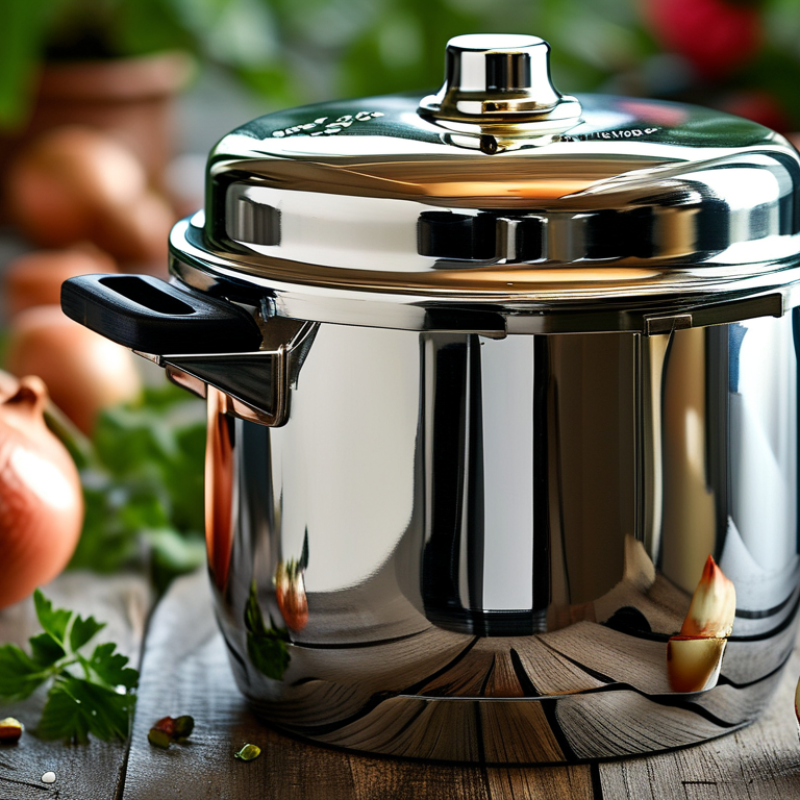
A stainless steel pressure cooker is a sealed pot designed to cook food with pressurized steam. When the lid locks, steam remains inside and raises the internal temperature above normal boiling. This helps soften beans, meat, grains, and vegetables faster than an uncovered saucepan. The cooking body is usually stainless steel, often with a thicker base for better heat distribution. Some models include an aluminum core inside that base, although the cooking surface remains stainless steel.
Its main parts are simple but important. A locking lid prevents opening while pressure remains inside. A silicone gasket forms the seal, while a pressure regulator controls steam release. Safety valves provide backup protection if pressure becomes abnormal.
In practical kitchen use, I check the gasket before every session. A small crack or hardened edge can cause steam to escape. It is easy to overlook.
I used to think heavier stainless steel always meant better performance. That assumption was too simple.
A well-balanced base, clear pressure indicator, steady handle, and replaceable sealing ring matter just as much. The cooker should feel stable on the stove, not awkward or top-heavy. Check its stated capacity, pressure settings, and safety instructions before choosing. Never fill it beyond the marked limit, especially when cooking foamy foods. Read the manual carefully. Even experienced cooks can misjudge steam behavior.
Material affects heat control, durability, and cleaning. Look for food-grade stainless steel, often marked 18/10 or 18/8. These labels describe chromium and nickel content, but they do not tell the entire story. A thicker body usually resists dents and distributes heat more evenly. However, excessive thickness can make the cooker heavy and slow to respond.
The base deserves close attention. A layered base with an aluminum core spreads heat beneath the steel, reducing hot spots during browning. Fully clad construction can improve performance on the sides, though it often costs more. Check whether the base sits flat on your cooktop. I once used a cooker with a slightly warped base; it rocked during heating and became annoying quickly.
Small detail. It matters.
Construction features should support safe, repeatable cooking. Choose a lid with a clear locking signal, a visible pressure indicator, and separate pressure-release systems. The gasket should be flexible, odor-free, and easy to replace. Riveted handles feel secure, but inspect the rivets for movement after repeated washing. Confirm compatibility with induction or other cooktops before buying. Reliable manufacturers should provide safety documentation, care instructions, and replacement parts. Independent certification is useful, but it is not a substitute for reading the manual. Some advertised features sound impressive yet add little value in daily cooking. Personally, I would prioritize stable handling and simple pressure control over decorative finishes.
How to Choose the Best Stainless Steel Pressure Cooker 2026?
When comparing pressure cookers, measure usable capacity rather than the advertised number. A six-liter pot rarely holds six liters safely. Leave room for steam, especially with beans, grains, and foaming foods. Use no more than two-thirds for most recipes. Reduce that to half for foods that expand. Small pots heat quickly. They suit one or two people. Larger models handle meal preparation but become heavy when filled. I once chose a large cooker for convenience and regretted its awkward storage.
Cooking performance depends on more than capacity. Look for a thick, stable base that spreads heat across the cooking surface. This reduces scorching when browning onions or searing meat before pressure cooking. An induction-compatible base adds flexibility. Check whether the cooker maintains steady pressure without constant hissing. Pressure recovery also matters after adding cold ingredients. A reliable locking system, clear pressure indicators, and an accessible release mechanism support safer daily use. These details are easy to overlook in a showroom.
Compare cooking results with realistic foods. Lentils should become tender without splitting excessively. Tough beef should soften evenly, while vegetables should retain some structure. A wider pot can improve browning because ingredients spread into one layer. However, a narrow, tall design may use less stovetop space. Read the care instructions carefully, including gasket replacement and valve cleaning. Stainless steel resists stains, but it still needs attention. My own testing would include several batch sizes, not just one successful dinner. Performance can change when the pot is nearly full.
| Cooker Size | Approximate Usable Capacity | Typical External Diameter | Typical Weight | Recommended Servings | Pressure Setting | Approximate Cooking Temperature | Cooking Performance | Best Use | Induction Compatibility |
|---|---|---|---|---|---|---|---|---|---|
| 2–3 L | 1.3–2.0 L Never fill beyond the marked maximum line. |
18–20 cm | 2.0–2.8 kg | 1–2 people | High pressure: approximately 15 psi Low pressure: approximately 8 psi |
Approximately 115–121°C, depending on pressure and altitude | Heats quickly and uses very little water. The small cooking surface is efficient for grains, vegetables, sauces, and small portions. | Single servings, couples, side dishes, and quick weekday meals | Usually compatible when the base is made with a magnetic stainless-steel layer. Check the product specification. |
| 4–5 L | 2.7–3.3 L Suitable for foods that expand only when the fill limit is respected. |
20–22 cm | 2.6–3.6 kg | 2–4 people | High pressure: approximately 15 psi Low pressure: approximately 8 psi |
Approximately 115–121°C, depending on pressure and altitude | Offers a good balance between heating speed and batch capacity. It can brown ingredients effectively without taking up excessive storage space. | Small families, rice, beans, stews, poultry, and everyday cooking | Generally compatible if the stainless-steel base contains a magnetic induction layer. |
| 6–7 L | 4.0–4.7 L Allow extra headspace for beans, grains, and foaming foods. |
22–24 cm | 3.2–4.5 kg | 4–6 people | High pressure: approximately 15 psi Low pressure: approximately 8 psi |
Approximately 115–121°C, depending on pressure and altitude | Provides enough surface area for larger ingredients while maintaining strong pressure recovery after food is added. Cooking times remain similar to smaller sizes for comparable recipes. | Most households, meal preparation, soups, stock, meat, and one-pot dishes | Commonly compatible with induction when fitted with a multi-layer magnetic base. |
| 8–10 L | 5.3–6.7 L For foaming or expanding foods, use no more than half the cooker capacity. |
24–26 cm | 4.0–5.8 kg | 6–10 people | High pressure: approximately 15 psi Low pressure: approximately 8 psi |
Approximately 115–121°C, depending on pressure and altitude | Handles large batches and bulky cuts well. It requires more liquid and energy to reach pressure, but it reduces the number of cooking cycles for family meals. | Large families, batch cooking, meal prep, roasts, and stock | Often compatible, but the larger base should be checked against the induction cooktop's minimum pan-detection area. |
| 11–15 L | 7.3–10.0 L Follow the manufacturer's limits for liquid, foam, and solid food. |
26–30 cm | 5.0–7.5 kg | 10 or more people | High pressure: approximately 15 psi Low pressure: approximately 8 psi |
Approximately 115–121°C, depending on pressure and altitude | Maximizes batch capacity but takes longer to heat, release pressure, wash, and store. It is less efficient for small portions. | Large gatherings, preserving-related preparation, bulk stock, and commercial-style batch cooking | Compatibility varies considerably because large bases may not be detected by every induction burner. |
Selection note: A pressure cooker should normally be filled to no more than two-thirds of its total capacity, and to no more than half for foods that expand or foam, such as beans, grains, and some legumes. Actual dimensions, weight, pressure controls, and induction performance vary by construction and manufacturer.
How to Choose the Best Stainless Steel Pressure Cooker 2026?
Safety systems deserve more attention than polished steel. I check for a locking lid, pressure indicator, primary regulator, and a separate overpressure release. The lid should remain locked while internal pressure is unsafe. A visible pressure marker helps, but it can stick. That is a detail buyers sometimes ignore. Look for clear instructions on gasket inspection and replacement. Materials should be food-contact appropriate, and the cooker should reference relevant safety requirements, such as IEC 60335-2-15 or equivalent regional standards. NFPA’s Home Structure Fires report found that cooking caused 53% of reported home structure fires from 2017 to 2021. A reliable safety design is not decoration.
Compatibility also affects daily safety. Confirm whether the base works on induction, gas, ceramic, or electric hobs. Some stainless steel bodies look universal but heat poorly on induction. Check the minimum burner diameter and whether handles remain cool during testing. Capacity matters too. Overfilling can block the steam pathway, especially with beans, grains, or foaming foods. The U.S. Consumer Product Safety Commission repeatedly advises consumers to follow appliance instructions and avoid damaged cords, seals, or valves. I prefer removable parts that can be cleaned without tools. Still, manufacturers often explain compatibility better than maintenance. That weakness deserves scrutiny.
Tips: Test the lid lock before cooking. Inspect the gasket under bright light. Keep the steam outlet visibly clear. Do not trust a quiet cooker alone. Pressure should release predictably, not suddenly.
Safety systems and compatibility features are weighted across a 100-point purchasing checklist.
Prioritize a secure lid-locking mechanism, controlled overpressure release, a visible pressure indicator, and reliable gasket and vent protection. Compatibility should then be checked for induction, gas, and ceramic cooktops, along with dishwasher-safe components and access to replacement sealing parts.
Choose the cooker around your meals, not its advertised capacity. A two-person household usually needs a 4-quart model. Families cooking beans, stock, or meal portions may need 6 to 8 quarts. Small kitchens need small bodies. I have overbought capacity before. That made storage awkward and heating slower.
For frequent stovetop use, select heavy-gauge stainless steel with a thick, layered base. It spreads heat more evenly and resists warping. The USDA explains that pressure cooking commonly reaches about 240°F at 15 psi. Therefore, a reliable pressure indicator and secure locking system matter more than decorative controls.
Check whether the valve is easy to remove and clean. Grease can hide inside it.
Electric models suit users who want timed programs and less supervision. They usually occupy more counter space, though. Grand View Research’s 2024 market analysis identifies convenience and energy efficiency as major pressure-cooker demand drivers, with the market projected to expand at roughly 5% annually through 2030. Treat such forecasts carefully; household habits vary widely.
Look for adjustable pressure levels, a durable gasket, cool-touch handles, and accessible replacement parts. Dishwasher compatibility helps, but hand-clean the sealing components. A model with clear markings is safer for tired cooks. Fancy presets are not always useful.
It is a sealed pot that cooks food with pressurized steam. The pressure raises heat above normal boiling. Beans, meat, grains, and vegetables soften faster. Most models have a thicker base for steadier heating.
Use the marked capacity, not the full advertised volume. Leave space for steam and expanding ingredients. Fill the cooker no more than two-thirds for most foods. Use only half capacity for foaming or expanding foods. More is not always better.
Small cookers suit one or two people and heat quickly. Larger cookers handle family meals but become heavy when filled. Measure your storage space before buying. A large pot can feel awkward inside a crowded cabinet. I once chose convenience and regretted it.
Look for a thick, stable base that spreads heat evenly. This helps prevent scorching during browning. A wider pot gives onions and meat more contact with the surface. Steady pressure matters more than constant hissing. One successful meal proves little.
Look for a locking lid, pressure indicator, regulator, and backup release valve. The lid should stay locked while pressure remains unsafe. Inspect the pressure marker because it can stick. Check the gasket under bright light before every use. Small cracks matter.
Check the silicone gasket for hardening, cracks, or loose edges. Keep the steam outlet visibly clear. Clean removable valves and parts according to the instructions. Replace damaged sealing parts promptly. Do not rely on appearance alone.
Check whether the base supports induction, gas, ceramic, or electric hobs. A stainless steel body may not heat well on induction. Confirm the minimum burner diameter before purchase. Handles should remain stable and comfortable during use. Compatibility details deserve careful reading.
Test the lid lock before adding food. Watch whether pressure rises smoothly and releases predictably. Try different batch sizes, not just one small meal. Lentils should soften without excessive splitting. Meat should cook evenly. I would still question a quiet cooker.
Choosing the best Stainless Steel Pressure Cooker in 2026 requires more than comparing prices or appearance. A quality model should combine durable stainless steel construction, a thick and stable base, secure handles, and a well-designed lid that supports even heating and reliable pressure control. Consider the cooker’s size and capacity based on your household and typical recipes, while also checking how quickly it reaches pressure, releases steam, and maintains consistent cooking performance.
Safety and compatibility are equally important. Look for dependable locking mechanisms, pressure indicators, controlled-release systems, and protection against overheating or excessive pressure. Confirm that the cooker works with your stovetop, including induction if needed, and that its parts are easy to clean and replace. Finally, match the model to your cooking habits: a compact cooker suits smaller portions, while a larger one is better for family meals, batch cooking, and tougher ingredients. The ideal choice balances capacity, safety, durability, convenience, and everyday cooking needs.