Shyam Cookware Blog - Guides & Tips

Shyam Cookware Knowledge Hub

Cookware Guides, Maintenance Tips & Insights

Explore expert buying guides, pressure cooker safety tips, and cookware advice.

0%

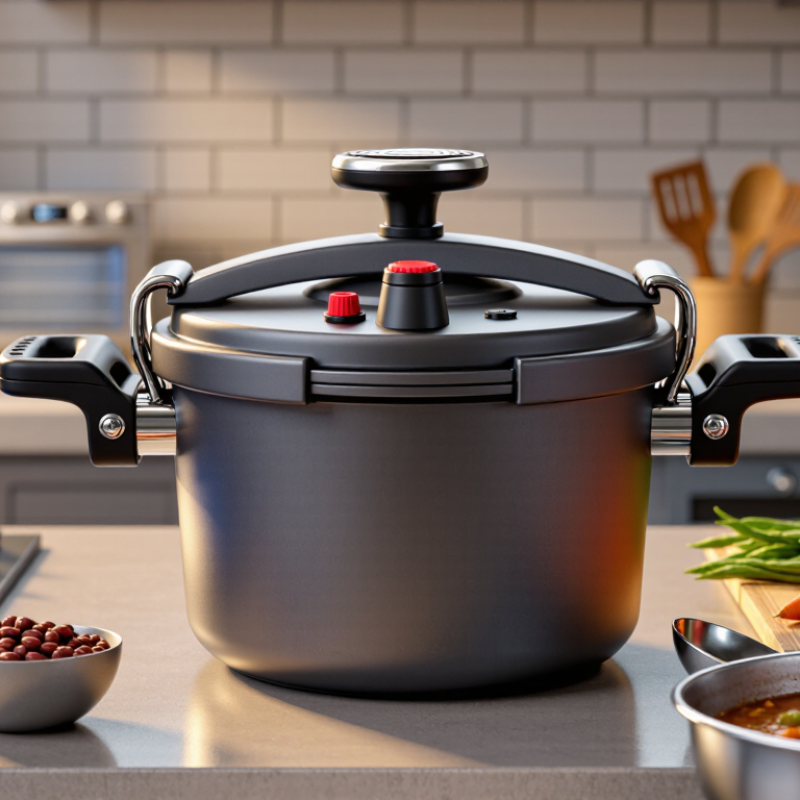
Choosing a Hard Anodised Pressure Cooker is not simply about finding the darkest, heaviest pot. It involves judging materials, capacity, safety systems, cooking performance, and everyday comfort. A cooker may look solid on a store shelf, yet its lid can feel awkward after several minutes of handling. Small details matter, especially when steam, heat, and a full pot are involved.

Pressure-cooking educator Laura Pazzaglia offers a useful principle: “Pressure cooking is about controlling time, temperature, and moisture.” That idea should guide every buying decision. A reliable Hard Anodised Pressure Cooker needs a clear pressure indicator, a dependable sealing gasket, strong handles, and an easy release mechanism. Check whether the base suits your stovetop. Many hard-anodised aluminum models work well on gas and electric cookers, but induction compatibility is not automatic.

These seven tips will examine what buyers often overlook. They will cover wall thickness, capacity, safety features, cleaning, warranty support, and real kitchen usability. A three-litre model may suit one person, while a six-litre cooker offers more room for beans, stock, or family meals. Bigger is not always better. It may also become heavy and difficult to store.

There is room for honest doubt. Marketing descriptions can sound impressive. Hands-on checks remain essential. Look closely at the gasket, valve, rivets, and handle before purchasing. A cooker should feel controlled, not intimidating, when steam begins to rise.
7 Tips for Buying a Hard Anodised Pressure Cooker?

Define Your Cooking Needs and Pressure Cooker Capacity

Before comparing hard anodised finishes, define what you actually cook. A two-person household making rice, beans, or one small stew may need a 4-quart cooker. Families of three to five often benefit from a 6-quart model. Larger households may need 8 quarts, but bigger is not automatically better. The U.S. Department of Agriculture’s Complete Guide to Home Canning advises leaving adequate headspace, while ordinary pressure-cooking guidance commonly limits filling to two-thirds. Foamy foods, such as beans, usually require half capacity.

Usable space matters more than the number printed on the lid. A 6-quart cooker cannot safely hold 6 quarts of ingredients. Leave room for steam circulation and expansion. I once underestimated how much dry beans swell; the pot looked generous, then felt cramped. That mistake changed my buying rule. Measure your usual ingredients in a kitchen jug before choosing capacity. Small details matter.

If your goal includes food preservation, be careful with terminology. The National Center for Home Food Preservation states that a pressure canner should hold at least four quart jars upright. A standard pressure cooker is not automatically a pressure canner. For daily meals, however, match capacity to portions, storage habits, and cooking frequency. The U.S. Energy Information Administration reports that residential cooking represented about 4% of household energy use in 2020, so batch cooking may reduce repeated heating, though it can increase leftovers. Choose the smallest capacity that fits your normal meal, not your occasional feast.

7 Tips for Buying a Hard Anodised Pressure Cooker: Define Your Cooking Needs and Capacity

Choosing the right pressure cooker capacity depends on household size, typical recipes, and whether you cook for leftovers or batch meals. The chart below provides practical planning estimates for common household sizes.

How to use this guide: A 3–4 litre cooker is generally suitable for one or two people, while a 6–8 litre model is more practical for families, batch cooking, and leftovers. These serving estimates are approximate. Always follow the cooker’s maximum-fill markings; many foods should not exceed two-thirds of the pot, and foaming foods may require a lower fill level.

Compare Hard Anodised Materials, Coatings, and Construction Quality

Tip 1: Inspect the hard anodised body closely. A dark, even surface usually suggests consistent treatment. Tiny color differences deserve questions.

Tip 2: Compare the base thickness. A heavier, flat base spreads heat more steadily and reduces hot spots. I prefer a cooker that sits firmly without wobbling.

Tip 3: Do not judge coating quality by appearance alone. Ask whether the interior is hard anodised, non-stick coated, or untreated metal. These surfaces behave differently during cooking and cleaning.

Tip 4: Check the coating’s resistance guidance. Some coatings tolerate metal utensils poorly, even when the outer body feels extremely durable. This is easy to overlook.

Tip 5: Examine the construction details. Secure handles, smooth rivets, and a well-fitted lid show better manufacturing control. Gaps around the lid can become annoying after repeated use.

Tip 6: Test the gasket and pressure-release components. They should feel flexible, cleanly finished, and easy to replace. A cooker is only as dependable as its sealing parts.

Tip 7: Match the base to your stovetop. Some hard anodised cookers work on gas and electric surfaces but not induction. Check the specifications instead of guessing.

I have found that weight alone can mislead buyers. A thick-looking cooker may still have a weak handle or uneven base. Construction quality needs several small checks, not one impressive feature. Also, surface wear is not always dangerous, but deep scratches and peeling coatings should not be ignored. Read care instructions carefully, because harsh cleaning can shorten the cooker’s useful life.

Check Safety Features, Pressure Controls, and Certification

Buying a hard anodised pressure cooker starts with its safety system, not its polished surface. Look for a locking lid that cannot open while pressure remains inside. A clear pressure indicator should rise smoothly and fall visibly after release. Avoid vague controls. Choose a cooker with a dependable overpressure valve, a secondary backup release, and a gasket designed for regular replacement.

Inspect the handle, rivets, and lid edge; small gaps can become serious weaknesses under heat.

Pressure control deserves hands-on attention. Some cookers offer one pressure setting, while others provide selectable low and high levels. The markings should be easy to read beside a wet, steaming pot. Turn the regulator gently; it should not wobble or feel seized. A stable release pattern matters more than an impressive maximum pressure.

Read the manual before cooking beans, stock, or thick sauces, because these foods can foam and block vents.

My own mistake was trusting the dial without checking the vent. That shortcut was unnecessary.

Certification is another practical filter. Check the packaging and instruction booklet for recognized testing marks and a traceable certification number. Do not accept a generic “approved” claim without the issuing organization and applicable standard.

Certification does not replace inspection. Confirm that the model, materials, and pressure rating match the certificate details. Keep the receipt and manual, and replace worn seals instead of stretching their service life.

If safety information is missing, choose a different cooker, even when the price looks attractive.

Evaluate Compatibility, Maintenance, Warranty, and Replacement Parts

7 Tips for Buying a Hard Anodised Pressure Cooker

Check your stovetop compatibility before comparing prices. Some cookers suit gas and electric burners, but not induction surfaces. Read the technical specifications carefully. Match the capacity to your cooking habits, not occasional guests. A four-litre cooker may suit two people, while larger families need more space. Confirm that the lid locks smoothly and that pressure indicators are easy to read. A confusing valve is a poor design choice.

Inspect the hard anodised body for an even finish and sturdy handles. Look for a thick base that sits flat on your hob. Ask whether the sealing ring, safety valve, and lid handle can be removed for cleaning. After cooking, I wash pressure-contact parts by hand and dry them fully. Food residue can collect around the valve. It is easy to miss. Avoid abrasive pads, unless the instructions clearly allow them, because they may damage the surface.

Study the warranty before purchase, including coverage for the cooker, gasket, and pressure mechanism. Check whether normal wear, staining, or accidental damage is excluded. More importantly, verify replacement-part availability and expected delivery times. A cooker becomes less practical when one inexpensive seal makes it unusable. Keep the receipt and instruction manual. I once assumed a universal gasket would fit, but the seal leaked slightly. That mistake changed my buying habits. Reliable support matters as much as attractive cookware.

Compare Prices, User Reviews, and Long-Term Value

7 Tips for Buying a Hard Anodised Pressure Cooker

Price comparison needs more than the shelf figure. Record capacity, included racks, spare gasket costs, warranty, and delivery fees. Grand View Research valued the global pressure cooker market at about USD 4.2 billion in 2023. Its report projects growth through 2030. Growing demand does not prove quality. Compare three sellers using the same checklist. A low price can hide expensive replacement parts.

User reviews reveal daily friction. Read recent reviews, not only star averages. Look for comments about valve cleaning, handle heat, sealing, and lid alignment after six months. The Spiegel Research Center reported a 270% higher purchase likelihood when products showed five reviews, versus none. That research covered online products generally, not pressure cookers. Still, it supports careful review reading. Repeated complaints matter more than one dramatic story.

Long-term value requires simple arithmetic. Estimate yearly use, gasket replacements, energy needs, and repair access. Hard anodised aluminium can resist surface wear, but it still needs careful washing and inspection. Ask whether the base stays flat on your hob. Measure storage space, too. I once underestimated lid clearance. The cooker fitted the cabinet, but not comfortably. That mistake matters. Choose clear safety instructions, traceable testing information, and a realistic warranty. User ratings help, but they are evidence, not proof.

7 Tips for Buying a Hard Anodised Pressure Cooker? - Compare Prices, User Reviews, and Long-Term Value

Tip What to Check Typical Price Range
(USD)
User-Review Signals Long-Term Value Indicator Practical Buying Advice
1 Choose the Right Capacity Common household sizes are approximately 3, 4, 5, 6, and 8 quarts. A 5–6 quart cooker generally suits a small family, while larger capacities are more practical for batch cooking. $45–$110 Look for comments about usable interior space, comfortable handling when full, and whether the cooker fits the buyer’s stovetop and storage area. High when capacity matches household needs Avoid buying a larger model solely for occasional use; a partly filled cooker may be less efficient for everyday meals.
2 Inspect the Hard-Anodised Body The exterior should have an even dark finish without exposed aluminium, deep scratches, dents, or uneven seams. Hard anodising improves surface hardness but does not make the cookware scratch-proof. $50–$125 Reliable reviews often mention a smooth finish, stable base, resistance to staining, and whether the coating changes appearance after repeated use. High if the body remains stable and easy to clean Do not use metal utensils or abrasive cleaners unless the manufacturer specifically permits them.
3 Compare Safety Features Check for a clearly visible pressure indicator, an overpressure-release system, a secure locking mechanism, and an additional backup safety feature. $55–$135 Prioritise reviews describing consistent pressure control, a lid that locks positively, and clear instructions rather than reviews focused only on appearance. Very high; safety features should not be compromised Confirm that replacement seals and safety components are available before purchasing.
4 Evaluate the Pressure-Control System Pressure regulators may use a weight, spring mechanism, or integrated control. The cooker should maintain pressure consistently without excessive rattling or frequent adjustment. $60–$150 Useful review phrases include “steady pressure,” “short release time,” and “easy to regulate.” Repeated reports of steam escaping from the handle or rim are warning signs. Medium to high, depending on replacement-part access Compare the stated operating pressure and follow the included cooking instructions; pressure levels are not interchangeable across all models.
5 Check the Base and Stovetop Compatibility A flat, stable base is important for even heating. Most stovetop models work on gas and conventional electric cookers, but compatibility with induction cooktops varies. $45–$140 Look for long-term comments about base warping, wobbling, uneven cooking, and handle heat during normal use. High when the base remains flat over time If induction compatibility is required, verify it in the technical specifications rather than relying on photographs or user comments.
6 Compare Seal, Handle, and Replacement Costs The sealing ring should be flexible, evenly seated, and easy to remove for cleaning. Handles should be firmly attached and comfortable to grip with the cooker empty or full. $8–$25 per seal
$10–$35 per handle set
Check whether users report leaks, brittle seals, loose handles, difficult lid alignment, or parts that are unavailable after purchase. High when common wear parts are inexpensive and obtainable Treat the sealing ring as a consumable part. Replace it when it becomes hard, cracked, stretched, or unable to maintain pressure.
7 Calculate Total Cost of Ownership Compare purchase price, expected replacement parts, warranty duration, cleaning effort, energy use, and the likelihood of continued use over several years. $55–$175 total first-year cost Give more weight to detailed reviews after six months or more than to short reviews posted immediately after delivery. Highest when durability and serviceability are both strong A moderately priced cooker with available parts can provide better value than a cheaper model that must be replaced after a seal, valve, or handle fails.

Note: Price ranges are general U.S. retail estimates for hard-anodised stovetop pressure cookers and accessories. Actual prices vary by capacity, materials, season, region, and seller. Always follow the product’s safety manual and use only compatible replacement parts.

FAQS

What pressure cooker capacity suits a two-person household?

A 4-quart cooker usually suits two people cooking rice, beans, or one small stew. Bigger is not always better.

How full can a pressure cooker safely be?

Leave space for steam and food expansion. Keep ordinary foods below two-thirds full, and foamy beans around half full.

Is a standard pressure cooker suitable for food preservation?

Not automatically. A pressure canner needs enough space for several upright jars, while everyday cookers serve regular meals.

What should I inspect on a hard anodised cooker?

Look for an even dark surface, a flat heavy base, secure handles, smooth rivets, and a well-fitted lid.

Does a thick-looking cooker guarantee good construction?

No. Weight can distract you from weak handles or an uneven base. Check several details, not one impressive feature.

How should I compare interior surfaces?

Confirm whether the interior is hard anodised, non-stick, or untreated metal. Each surface needs different utensils and cleaning methods.

What pressure components deserve special attention?

Check the gasket and release parts. They should feel flexible, clean, and replaceable. Small parts decide reliability.

How can I compare long-term value?

Record the price, capacity, spare gasket cost, warranty, delivery fees, and expected yearly use. A cheap cooker may cost more later.

How useful are online reviews?

Read recent comments about valve cleaning, hot handles, sealing, and lid alignment. Repeated complaints matter more than one dramatic story.

What mistake should buyers avoid when checking storage?

Measure cabinet height and lid clearance. I once checked width only; the cooker fitted, but the lid sat uncomfortably.

Conclusion

Choosing a Hard Anodised Pressure Cooker starts with understanding your cooking habits, household size, and preferred recipes. Select a capacity that suits your daily needs without being unnecessarily large, and examine the material, coating, thickness, and overall construction quality. A durable body and well-designed interior can improve heat distribution, cooking performance, and long-term reliability. Pay close attention to safety features, including secure locking systems, pressure indicators, controlled steam release, and recognized safety certification.

Before buying, confirm that the cooker works with your stovetop and is easy to clean and maintain. Check whether essential replacement parts, such as sealing rings or valves, are readily available, and review the warranty terms for added confidence. Finally, compare prices with user feedback and consider the total value rather than choosing solely by the lowest cost. A dependable cooker that offers safe operation, practical features, durable construction, and affordable upkeep can be a wiser investment over time.

Marielle

Marielle

Marielle is a highly experienced marketing professional dedicated to helping businesses communicate their value with clarity, confidence, and purpose. With a strong understanding of the company’s products, services, and customer needs, she transforms complex information into practical, engaging......