Shyam Cookware Blog - Guides & Tips

Shyam Cookware Knowledge Hub

Cookware Guides, Maintenance Tips & Insights

Explore expert buying guides, pressure cooker safety tips, and cookware advice.

0%

Why Choose a Glass Top LPG Gas Stove? The answer begins with daily practicality, not showroom shine. A smooth tempered-glass surface gives the kitchen a clean, modern appearance. It also makes spills easier to notice and wipe away. One damp cloth can remove sauce, oil, and cooking residue. That matters after a busy meal.

“Reliable cooking depends on stable flame control and disciplined installation, not appearance alone,” says Dr. Anika Rao, a gas-appliance safety engineer and industry educator. Her point is easy to test at home. A quality Glass Top LPG Gas Stove should support steady flames, firm pan placement, and responsive control knobs. It should also match the correct LPG regulator, hose, and burner specifications. Qualified installation remains essential. Never treat it as a casual fitting task.

The glass top is strong, but it is not indestructible. A heavy pot, sharp impact, or sudden temperature shock can damage it. That is the part many product descriptions understate. Users should lift cookware gently and avoid placing cold water on a hot surface. Check the flame regularly. Blue flames usually indicate efficient combustion, while yellow flames may require professional inspection.

A Glass Top LPG Gas Stove can combine visual simplicity with useful cooking control. It saves cleaning effort and suits compact, contemporary kitchens. Still, its value depends on safe habits, proper maintenance, and honest product selection. The attractive surface is only the beginning. Performance earns trust.
Why Choose a Glass Top LPG Gas Stove?

Glass Top LPG Gas Stoves: Definition and Main Features

Why Choose a Glass Top LPG Gas Stove?

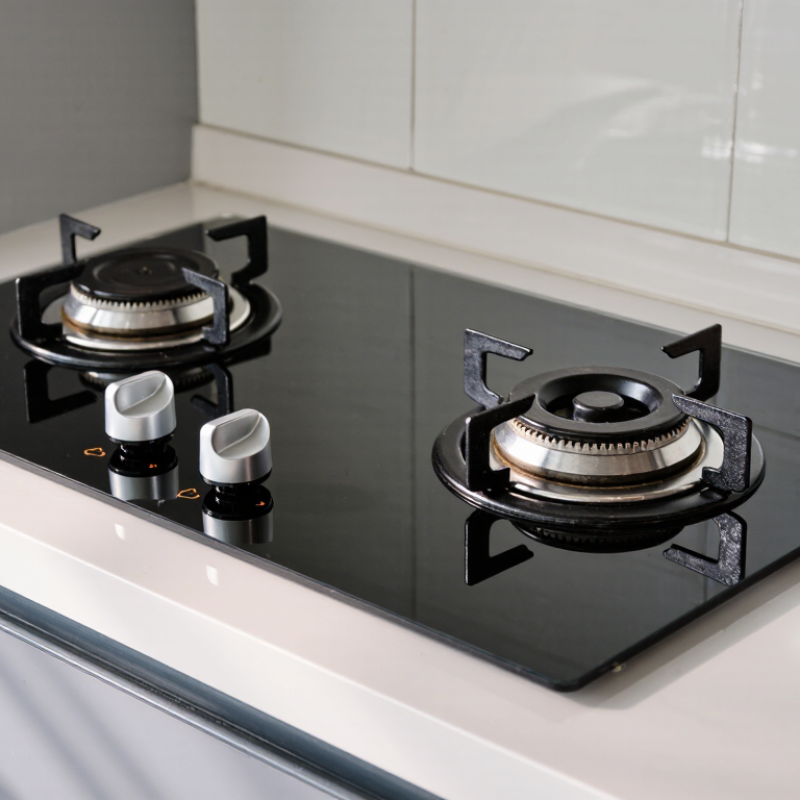
A glass top LPG gas stove places LPG burners beneath a heat-resistant glass surface. It usually includes metal pan supports, flame-control knobs, and a built-in ignition system. The flat surface gives kitchens a cleaner, more modern appearance. It also reduces trapped food around the burners. However, “easy to clean” does not mean maintenance-free. Spilled syrup can harden quickly around the burner openings.

Its main advantage is practical daily control. A visible blue flame helps users adjust heat for simmering, frying, or boiling. Tempered glass can tolerate normal cooking temperatures, but sudden impacts may still cause damage. Buyers should check the stove’s stated safety standard, glass thickness, burner material, and flame-failure protection. These details matter more than appearance.

The need for reliable cooking equipment remains substantial. The Tracking SDG 7: The Energy Progress Report 2024 states that about 2.3 billion people lacked access to clean cooking in 2022. LPG is recognized as a clean cooking option at the point of use by major energy and public-health agencies. In everyday use, good ventilation remains important, even with LPG. Users should also inspect the hose, regulator, and connections regularly. A glass top can look sophisticated, yet poor installation can reduce safety. That is an uncomfortable detail worth remembering.

How Glass Top LPG Gas Stoves Work

A glass top LPG gas stove combines visible flame control with a sealed, heat-resistant cooking surface. LPG leaves the cylinder through a regulator and enters small burner injectors. These injectors mix fuel with air before ignition. A blue flame then transfers heat to the pan through the burner cap and pan supports.

The glass panel is usually tempered, not ordinary household glass. It spreads some heat and makes spills easier to wipe. However, it does not improve combustion by itself. The burner design, gas pressure, air mixture, and pan position matter more.

According to the International Energy Agency’s Africa Energy Outlook, LPG can reduce exposure to smoke compared with charcoal and wood. The World Health Organization also reports that about 2.1 billion people still lack access to clean cooking fuels and technologies. These figures explain why controlled LPG combustion remains important.

Use it carefully. Keep burner ports clear, place the pan centrally, and check that the flame stays mostly blue. A yellow flame may signal poor air mixing, dirt, or incorrect pressure. Stop and inspect it.

Some models include flame-failure protection, which shuts off gas after the flame goes out, but not every stove has the same system. The glass can still crack after severe impact or sudden thermal shock.

I used to think a smooth top meant safer cooking; that assumption was too simple. Ventilation, proper installation, and regular inspection still determine real-world performance.

Key Benefits of Choosing a Glass Top LPG Gas Stove

Why Choose a Glass Top LPG Gas Stove?

A glass top LPG gas stove combines practical cooking with a cleaner, more modern surface. The smooth panel has fewer joints than traditional metal designs, so spilled oil and sauce are easier to wipe away. That matters during everyday cooking, when small stains quickly become stubborn under high heat. Tempered glass also offers a stable platform for cookware, provided users avoid dropping heavy pots or exposing the surface to sudden cold water.

The fuel choice deserves equal attention. The International Energy Agency reported that about 2.3 billion people lacked access to clean cooking in 2022. LPG can reduce smoke and particulate exposure compared with wood or charcoal, especially when burners are correctly adjusted and ventilation is adequate. The stove does not create this benefit alone. Burner quality, pan size, flame control, and regular hose inspections remain important. Small details matter.

There is a limitation.

A glass surface is not automatically safer or more efficient. Poor installation, blocked burners, or an incorrectly fitted regulator can increase risk. The World Health Organization links household air pollution to millions of premature deaths each year, reinforcing the need for cleaner fuels and proper ventilation. In practical use, I would check the flame color, clean burner ports weekly, and keep the glass dry around hot cookware. The design looks effortless, but it still demands disciplined habits. Perhaps that is the part many product descriptions understate.

Safety and Maintenance Considerations

A glass-top LPG gas stove can make a kitchen look clean and modern, but safety deserves more attention than appearance. The glass surface is easy to wipe, yet it can crack after sudden temperature changes or a heavy impact. Keep metal pans, lids, and cleaning tools from striking it. A small crack is not harmless. Stop using the stove and arrange an inspection by a qualified gas technician.

Good habits reduce everyday risks. Before cooking, check that burners are dry and correctly seated. The flame should burn steadily, mostly blue, without unusual noise or strong odor. If you smell gas, turn off the supply, avoid switches and flames, leave the area, and contact the appropriate emergency service. Never test a suspected leak with a flame. Use approved connections, and let a trained professional handle installation or replacement. Ventilation matters, especially in a small kitchen.

Clean the cooled surface with a soft cloth and a mild cleaner. Avoid abrasive powders, steel wool, and sudden cold water on hot glass. Wipe spills before they harden around the burner openings. I have found that rushed cleaning often creates more scratches than cooking does. That habit needs reconsideration. Also inspect the hose and control knobs regularly for wear, looseness, or heat damage. Keep flammable items away from the burners, even during brief cooking pauses. Small checks prevent bigger problems.

Why Choose a Glass Top LPG Gas Stove?

A glass top LPG stove is easy to wipe clean and provides a smooth cooking surface, but it requires careful handling. Clean spills after each use, check the flame regularly, inspect the LPG hose and regulator periodically, and arrange professional servicing according to local regulations and the appliance manual. Never use abrasive cleaners or place heavy cookware on the glass surface.

The schedule shown is a practical household guideline; always follow the manufacturer’s instructions and applicable gas-safety requirements.

How to Select the Right Glass Top LPG Gas Stove

Choosing a glass top LPG gas stove requires more than judging its glossy appearance. In real kitchens, I check pan stability, burner spacing, knob response, and cleaning access. A smooth black surface shows spills quickly. That can be useful, but fingerprints become visible too. The practical question is simple: will the stove suit your daily cookware and cooking habits?

Start by confirming LPG compatibility and the correct gas pressure. Check whether the appliance meets the cooking-appliance standard required in your country. Ask for test documentation, not vague safety claims. Heat-resistant glass, secure pan supports, automatic ignition, and a flame-failure device deserve close attention. The burner layout should leave space between a wok and a small saucepan. Larger burners are not always better. They may waste fuel under narrow cookware.

Safety should influence the purchase strongly. NFPA’s Home Fires Involving Cooking Equipment report, based on 2017–2021 data, found cooking equipment involved in 53% of reported home fires, 38% of home-fire injuries, and 18% of home-fire deaths. Keep the stove away from curtains and maintain clear ventilation. WHO reports that 2.3 billion people still cook with polluting fuels, while household air pollution caused about 3.2 million premature deaths in 2020. LPG burns more cleanly than many solid fuels, but indoor ventilation still matters. I would also inspect the glass edges carefully. A beautiful surface is not enough.

Why Choose a Glass Top LPG Gas Stove? - How to Select the Right Glass Top LPG Gas Stove

Selection Dimension Typical or Recommended Specification Why It Matters What to Check Before Buying
Glass surface Heat-resistant tempered glass, commonly about 6–8 mm thick Provides a smooth, modern cooking surface that is easier to wipe clean than many traditional metal tops. Confirm that the surface is specifically designed for gas-stove temperatures and inspect it for chips, scratches, or uneven edges.
Number of burners 2 burners for compact kitchens; 3–4 burners for regular family cooking The correct layout allows simultaneous cooking while matching available counter space. Measure the installation area and check whether cookware can be placed on all burners without touching.
Burner power A balanced set often includes approximately 1.0–1.5 kW auxiliary burners and 2.5–4.5 kW high-power burners. Lower outputs suit simmering, while higher outputs reduce heating time for boiling and stir-frying. Choose burner sizes based on cooking habits, pan diameter, and the LPG supply pressure specified for your area.
LPG compatibility The stove must be configured for the local LPG type and regulator pressure; common domestic systems use approximately 28–37 mbar, depending on the market. Correct gas pressure helps the burners operate safely and efficiently. Match the appliance rating plate, injector configuration, hose, and regulator to the local LPG supply. Do not connect an incompatible gas system.
Ignition system Battery-operated or mains-powered automatic ignition; manual ignition is an alternative. Automatic ignition improves convenience and avoids using matches for routine lighting. Check battery access or electrical requirements and verify that the knobs produce a consistent spark.
Flame-failure protection Thermocouple or similar automatic gas shut-off system The valve can stop the gas supply if the flame is accidentally extinguished. Prefer a model with flame-failure protection on every burner and confirm the feature in the technical documentation.
Pan supports Stable cast-iron or heat-resistant enamel supports with a level, non-slip design Strong supports improve stability and resist repeated exposure to high temperatures. Check that supports sit firmly, do not rock, and can accommodate both small saucepans and larger cookware.
Control knobs Heat-resistant, clearly marked knobs with smooth and precise adjustment Accurate control is important for simmering and helps prevent excessive gas use. Test the knob movement and make sure the settings are easy to read and safely positioned away from direct flame.
Cleaning and maintenance Removable burner caps and pan supports; sealed or well-protected burner areas are preferable. Removable parts make it easier to remove grease and food residue from around the burners. Use a soft cloth and non-abrasive cleaner. Avoid thermal shock, harsh scouring powders, and placing hot cookware directly on unused glass areas.
Size and installation Common countertop widths are approximately 600–900 mm, with depth often around 500–550 mm. Correct dimensions ensure adequate ventilation, clearance, and safe placement on the counter. Follow the installation manual for minimum clearances, ventilation, hose routing, and countertop load capacity.
Safety certification Certification and markings required by the destination country or region Compliance indicates that the appliance has been assessed against applicable gas and safety requirements. Look for the applicable conformity mark, rating label, installation instructions, and documentation in the local language.
Best choice for Users who value easy surface cleaning, precise flame control, modern appearance, and LPG cooking flexibility A glass top can combine practical cooking performance with a clean, contemporary kitchen design. Select the final model only after confirming LPG compatibility, safety features, dimensions, burner layout, and installation requirements.

FAQS

What is a glass top LPG gas stove?

It uses LPG burners beneath a heat-resistant tempered glass cooking surface. Metal supports hold the cookware above the flames.

How does the stove produce heat?

LPG passes through a regulator and burner injectors. The gas mixes with air, then ignites into a visible flame.

What are the main benefits of the glass surface?

Its flat design has fewer joints, so oil and sauce are easier to wipe away. Kitchens also look tidier.

Is a glass top stove maintenance-free?

No. Hardened syrup can collect near burner openings. Wipe spills after cooling, and clean burner ports regularly.

What does a blue flame indicate?

A mostly blue flame usually shows better combustion. A yellow flame may indicate dirt, poor air mixing, or incorrect pressure.

Can the glass crack during normal cooking?

Tempered glass handles normal cooking temperatures, but heavy impacts and sudden cold water can cause cracking. It is strong, not indestructible.

Which safety details should buyers check?

Check glass thickness, burner material, stated safety standards, and flame-failure protection. Also inspect the hose, regulator, and connections.

Does a glass top automatically make cooking safer?

No. Ventilation, correct installation, clear burner ports, and steady pan placement matter more than appearance. I once assumed otherwise.

How should cookware be placed?

Keep the pan centered on its supports. Avoid oversized cookware touching the glass or blocking the flame.

Why is ventilation still necessary?

LPG cooking can reduce smoke compared with wood or charcoal, but combustion still needs adequate airflow. Fresh air matters.

Conclusion

A Glass Top LPG Gas Stove combines the practical cooking performance of liquefied petroleum gas with a smooth, heat-resistant glass surface. It typically uses burners, control knobs, pan supports, and an LPG connection system to deliver adjustable heat for boiling, frying, simmering, and other everyday cooking tasks. The glass top gives the stove a modern appearance and creates a flat surface that is generally easy to wipe clean after use.

Choosing a Glass Top LPG Gas Stove can provide efficient heating, convenient flame control, and a stylish addition to the kitchen. However, safe use requires checking the hose and connections regularly, keeping burner openings clear, and allowing the surface to cool before cleaning. When selecting a model, consider the number and size of burners, ignition method, glass durability, pan support stability, fuel compatibility, available space, and ease of maintenance. A well-matched stove should balance cooking needs, safety, durability, and everyday convenience.

Evelyn

Evelyn

Evelyn is a dedicated marketing professional with a deep understanding of the company’s products, services, and customer-focused approach. With a strong background in market research, content strategy, and digital communication, Evelyn translates complex product information into clear, practical,......