
Call: +91-9830320177
Dealer Enquiry
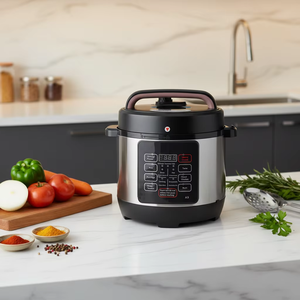
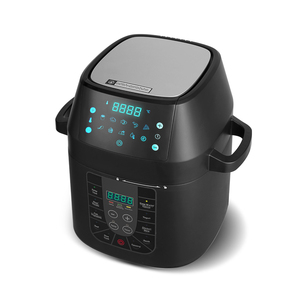
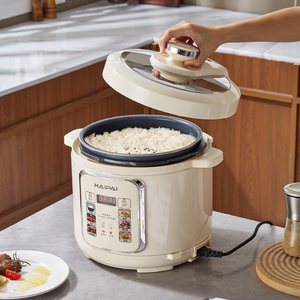
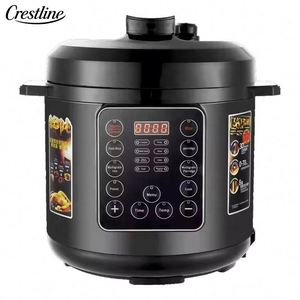
In the global kitchenware and catering equipment landscape, insulated stainless steel hotpots (also known as thermal casseroles, food warmers, and insulated hot carriers) have transitioned from simple household thermal vessels to highly engineered, energy-efficient food conservation systems. Driven by rising commercial catering needs, eco-conscious consumer choices, and strict food safety regulations across Europe, North America, the Middle East, and South Asia, international procurement managers are re-evaluating their supply chains.
Key Sourcing Shift (2025–2030): The commercial hotpot market is migrating from standard plastic-shelled thermalware to 100% full-metal, dual-layer SUS304 stainless steel structures featuring high-density Polyurethane Foam (PUF) insulation. Importers prioritizing long thermal decay half-lives and zero-chemical migration are outperforming competitors by margins of over 18%.
Modern top-tier factories utilize automated high-pressure micro-cellular Polyurethane Foam (PUF) injection machines. Unlike cheap EPS foam, high-density PUF ensures structural rigidity and maintains food temperature above 65°C for over 8 hours.
Global standards demand austenitic stainless steel for food contact surfaces. Top exporters offer certified AISI 304 (18/8) inner liners that resist pitting corrosion caused by acidic broth, curries, and saline soups.
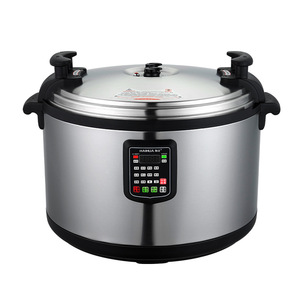
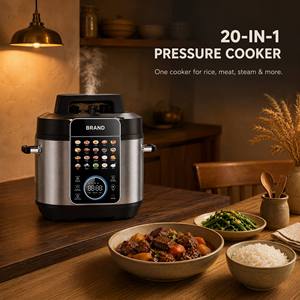
The boundary between passive insulated casseroles and active electric multi-cookers is blurring. Modern hotpot exporters now offer dual-mode units combining rapid electric heating with insulated double-wall bodies for eco-friendly warm retention.
A comparative evaluation of leading global manufacturing hubs, OEM export capabilities, tooling precision, and quality control systems for high-volume cookware sourcing.
| Rank & Manufacturer Region | Core OEM Product Expertise | Thermal Technology | Compliance & Certification | Export Lead Time | B2B Rating |
|---|---|---|---|---|---|
| 1. Shyam Cookware (Khaitan Group, India) | Triple-Ply & Double-Wall Insulated Hotpots, Pressure Cookers | High-Density Injected PUF + Multi-Seal Lock | ISI / ISO 9001 / FDA | 15 - 25 Days | 9.9 / 10 |
| 2. Guangdong Chaozhou OEM Base (China) | Commercial Catering Thermal Servers & Chafing Dishes | Double-Wall Vacuum & EPS Foam Filler | CE / LFGB / ISO14001 | 25 - 35 Days | 9.6 / 10 |
| 3. Zhejiang Yongkang Kitchenware Hub (China) | Smart Digital Display Hotpots, Electric Multi-Cookers | Copper-Coated Vacuum Layer | RoHS / CE / ETL | 30 - 40 Days | 9.5 / 10 |
| 4. Istanbul Thermalware Clusters (Turkey) | Mirror-Finished Luxury Stainless Casseroles & Hotpots | Double-Layer Air Insulation | EU Standards / TUV | 20 - 30 Days | 9.3 / 10 |
| 5. Maharashtra Cookware Park (India) | Heavy-Duty Commercial Soup Thermal Carriers | High-Pressure Injected PUF | ISI / Bureau of Indian Standards | 20 - 30 Days | 9.2 / 10 |
| 6. Binh Duong Stainless Industry (Vietnam) | Household Insulated Hotpots & Luncheon Servers | EPS Foam Insulation | FDA / GS Standard | 30 - 45 Days | 9.0 / 10 |
| 7. Taichung Specialty Kitchenware (Taiwan) | Precision Micro-Pressure Vacuum Hotpots | Multi-Chamber Vacuum Technology | ISO 9001 / SGS Food Safe | 25 - 35 Days | 8.9 / 10 |
| 8. Seoul Premium Cookware Manufacturers (Korea) | Ceramic Coated Stainless Insulated Casseroles | Triple Insulation Layer | KCL / FDA / ISO9001 | 25 - 35 Days | 8.8 / 10 |
| 9. Rayong Kitchenware Exporters (Thailand) | Stainless Steel Food Carriers & Thermal Stewers | PU Foam Filling System | TISI / FDA Approved | 30 - 40 Days | 8.7 / 10 |
| 10. Brescia Cookware Works (Italy) | High-End Architectural Stainless Hotpots | Designer Vacuum Wall Layer | EU Directives / NSF | 35 - 50 Days | 8.6 / 10 |
Why leading global brands, institutional buyers, and retail chains partner with integrated manufacturing facilities.
Founded on decades of metallurgy and pressure cooker expertise (incorporating legacy brands like Shyam Cookware and Khaitan Pressure Cookers), premier manufacturers leverage deep engineering knowledge to prevent thermal leakage and material deformation under daily stress.
Utilizing 500-ton hydraulic deep-drawing presses ensures that inner liners feature seamless, continuous stainless steel construction without weld seams. This eliminates food residue buildup and micro-cracks over time.
Every export batch undergoes rigorous quality control checks: 100% helium vacuum leakage testing, drop-impact testing, thermal insulation decay profiling (ambient vs internal temp tracking over 12 hours), and salt-spray corrosion analysis.
A practical technical checklist for procurement officers and quality audit teams when evaluating factory samples.
To ensure factory compliance, perform a standardized thermal retention test: Fill the hotpot to 90% volume with boiling water at 98°C ambient room temperature (23°C ± 2°C). Seal the lid immediately with the specified torque or latch lock.
If the temperature drops below 55°C after 8 hours, the manufacturer is likely using low-density EPS foam or under-filled PUF cavity insulation.
Unscrupulous suppliers may use SS201 (which contains higher manganese and lower nickel) to reduce costs. SS201 will rust when exposed to salty hotpot broths over time. Demand an XRF Spectrometer test report proving:
Heat loss predominantly occurs at the lid boundary. High-quality hotpots feature food-grade liquid silicone gaskets (BPA-free) with dual air-vent release valves to balance internal steam pressure during opening.
Essential answers for B2B importers, wholesale distributors, and commercial kitchen buyers.
Standard OEM custom orders (including customized logo laser engraving, color box packaging, and specific capacity adjustments) typically start at 500 to 1,000 units per model size. Stock items can be ordered in lower quantities.
While vacuum insulation works well for small travel mugs, large-capacity catering hotpots (4L to 20L) are subject to structural pressure. Injected PUF provides high impact resistance, structural strength, and outstanding cost-to-performance ratios for bulk food warming.
No. Insulated double-wall hotpots are engineered for thermal retention and serving, not direct flame or induction heating. For cooking, dual-purpose electric thermal cookers or standard triple-ply cookware should be used before transferring food into hotpots.
Reputable exporters maintain compliance with US FDA 21 CFR 175.300, European LFGB (EC 1935/2004), Indian ISI standards (BIS), and ISO 9001 factory management certifications to guarantee zero toxic leaching under high temperatures.
Factories conduct cyclic handle fatigue testing (lifting 1.5x maximum capacity weight over 10,000 continuous lifts) and latch snap testing to ensure handles will not snap during commercial transport or banquet service.
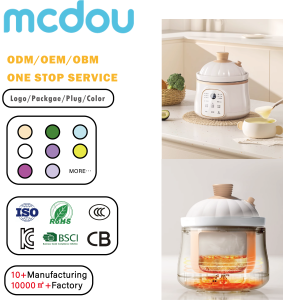
Full customization covers outer body metal finishes (mirror polish, satin matte, powder coating, color anodization), laser-etched brand logos, custom lid handle molds, color gift box packaging, and multi-language user manuals.
Upgrade your sourcing pipeline with ISI & ISO-certified stainless steel hotpots, thermal casseroles, and commercial catering solutions. Request our 2025 OEM/ODM Product Catalog & Wholesale Price List now.
Get Catalog