
Call: +91-9830320177
Dealer Enquiry
High-demand OEM/ODM pressure cookers, micro-pressure multi-cookers, and commercial culinary solutions engineered for global importers, distributors, and hotel procurement managers.
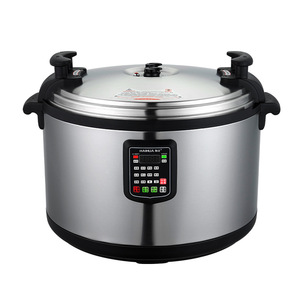
Heavy-duty 304 stainless steel body, multi-phase pressure control for high-volume hotel & restaurant catering operations.
Inquire Now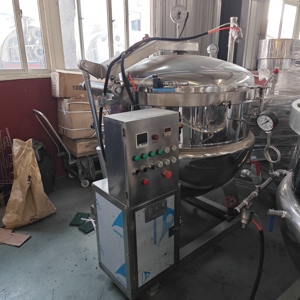
Designed for tough commercial kitchens. Ideal for rapid tenderizing of meats, high-volume beans, and soup stocks.
Inquire Now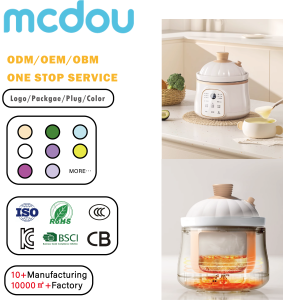
Micro-pressure digital thermal cycle technology. Intelligent micro-computer logic for nutritional stewing and baby food.
Inquire Now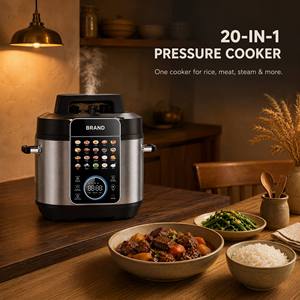
Dual non-stick inner liners included. LED touch interface with automated pressure curve profiles for diverse cuisines.
Inquire Now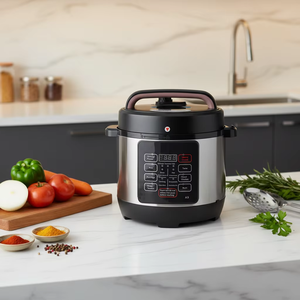
Brushed stainless steel housing, triple safety interlocking system, optimized for domestic retail and hotel room service.
Inquire Now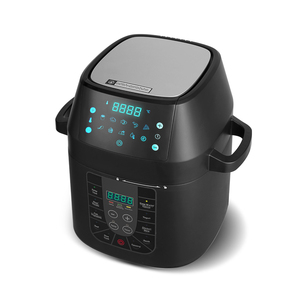
Ergonomic cylinder architecture, dual heat-retaining wall insulation, scratch-resistant honeycomb inner pot coating.
Inquire Now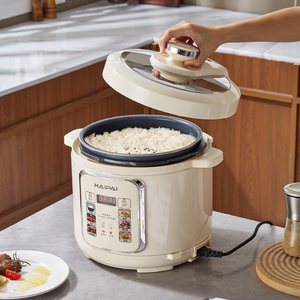
High-precision NTC temperature sensors, automated steam release valve, optimized energy consumption rating.
Inquire Now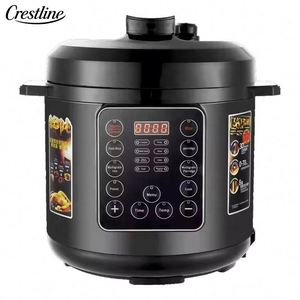
Heavy-duty heating plate, fast-thermal ramp-up design, detachable inner cover for seamless hygiene maintenance.
Inquire NowUnderstanding the Metallurgical Supply Chain, Regional Foundry Hubs, and Engineering Benchmarks for Strategic B2B Sourcing
The global demand for premium cast iron skillets, Dutch ovens, and heavy-duty commercial cookware has experienced a structural resurgence. Driven by consumer preferences for chemical-free non-stick options (PFOA, PTFE, and PFAS alternatives), superior thermal mass retention, and multi-generational durability, procurement executives from major retail brands, commercial food service chains, and direct-to-consumer (DTC) cookware labels are recalibrating their supply chains. China remains the undisputed global epicenter for cast iron foundry technology, producing over 75% of the world’s cast iron cookware export volume across specialized industrial clusters in Hebei, Shandong, Zhejiang, and Guangdong provinces.
However, navigating China’s cast iron skillet manufacturing landscape requires a deep understanding of foundry engineering, metallurgical composition, automated sand-molding automation, and surface seasoning science. Distinguishing between a low-tier manual sand-casting workshop and a Tier-1 DISA automated vertical molding facility is the primary determinant of product failure rates, wall thickness uniformity, thermal stress cracking, and food-grade compliance safety.
This industry report, engineered by seasoned B2B SEO research directors and metallurgical sourcing specialists, serves as an empirical whitepaper for procurement heads. It analyzes casting mechanics, pre-seasoning oil polymerization, porcelain enamel glass frit adhesion, future technology trends (2025–2030), and key factory selection metrics needed to secure sustainable competitive advantages.
From Liquid Iron Smelting to Electrostatic Enameling: The Chemistry Behind Premier OEM Skillets
High-density vertical green sand molding lines (DISA technology) yield consistent wall thickness (±0.4mm tolerance), eliminating cold shuts and structural thermal hot-spots.
100% non-GMO soy or flaxseed oil applied via electrostatic mist, cured in tunnel ovens at 420°C to induce deep monomer polymerization without sticky surface residue.
Two-coat double-fire vitreous enamel application at 820°C. Tested against BS EN 13834 and ISO 2742 for thermal shock, acid resistance, and cadmium-free safety.
When evaluating China cast iron skillet factory partners, technical specifications must be benchmarked against standard industry parameters. Below is the quantitative engineering matrix contrasting premier automated foundries with low-tier manual workshops:
| Evaluation Parameter | Tier-1 Automated DISA Foundry | Tier-3 Manual Sand Casting Workshop | Impact on B2B Buyer / Brand |
|---|---|---|---|
| Iron Grade & Carbon % | HT200 Gray Iron (C: 3.2–3.5%, Si: 1.8–2.2%) | Unsorted Scrap Iron (Variable Carbon) | Structural integrity; resistance to thermal warping. |
| Wall Thickness Tolerance | Precision ±0.4 mm | Uneven ±1.8 mm to 2.5 mm | Predictable cooking heat distribution; weight balance. |
| Surface Shot-Blasting | Automated S70 Steel Shot (Ra 6.3–12.5 µm) | Manual Rough Sand Grinding (Ra >25 µm) | Optimized surface micro-texture for oil locking. |
| Pre-Seasoning Integrity | Triple Polymerized Natural Vegetable Oil | Single Spray Low-Temp Mineral/Industrial Oil | Rust-resistance during ocean freight transit; non-stick efficiency. |
| Defect Rate (Pinhole/Porosity) | Less than 0.5% (X-ray audited) | 4.0% – 8.5% (Visual check only) | Low return rates, protected Amazon/Retail brand ratings. |
| Heavy Metals Compliance | FDA 21 CFR, LFGB, REACH, Prop 65 Certified | Uncertified / Risk of Lead & Cadmium Leakage | Complete protection against global customs seizures. |
Key Innovations Shaping the Next Generation of Cast Iron and Commercial Cookware Manufacturing
Traditional cast iron skillets often face consumer resistance due to excessive tare weight (averaging 2.5kg for a 10-inch pan). Future procurement is rapidly shifting toward precision spin-cast and nitrided lightweight cast iron. By reducing wall thickness down to 1.5mm–2.0mm while utilizing high-temperature gas nitriding (forming a corrosion-resistant iron nitride layer), manufacturers achieve a 30% to 40% reduction in weight while retaining induction compatibility and doubling surface hardness (HV >600).
Vitreous enamel cookware is evolving from glossy pastel aesthetics toward sophisticated, scratch-resistant matte ceramic-enamel hybrids. Tier-1 China factories are integrating 6-axis ABB and FANUC robotic spray arms, ensuring 100% uniform enamel slurry deposition across the rim, handle joints, and inner cavity. This mitigates chipped enamel edges during transit and elevated thermal cycling testing.
With the global expansion of glass-top induction ranges, rough cast iron bases are becoming obsolete. Top factories now employ secondary CNC lathe machining to create ultra-flat, polished cooking surfaces and mirror-smooth bottom bases. This maximizes magnetic induction transfer efficiency while preventing scratches on delicate residential ceramic cooktops.
International buyers are scrutinizing factory ESG credentials. Premier Chinese cast iron foundries have transitioned from coal-fired cupola furnaces to medium-frequency electric induction smelting powered by renewable energy grids. Furthermore, 98% of green sand molds are recycled internally through automated sand reclamation systems, satisfying stringent European BSCI and ISO 14001 environmental directives.
Partnering with a 40-Year Industry Pioneer: Turnkey ODM/OEM Solutions for Global Brands
With an established manufacturing heritage tracing back to 1985 (rooted in Khaitan Pressure Cookers and Shyam Cookware industrial group infrastructure), our state-of-the-art foundry and electric kitchenware manufacturing complex provides unparalleled end-to-end solutions for global importers. We combine decades of metallurgical expertise with modern automated production lines, serving brand owners, wholesale distributors, and commercial equipment suppliers worldwide.
In-house CAD/CAM tooling department capable of producing custom cast iron mold prototypes in under 15 days. From ergonomic handle geometries to debossed base logos and helper handles.
We offer multi-stage factory pre-seasoning options, including certified organic flaxseed oil, avocado oil blends, and specialized black nitriding for maintenance-free commercial performance.
Complete OEM packaging support—FSC-certified color boxes, heavy-duty drop-test mailer packaging for E-commerce (Amazon ISTA-6A compliant), and custom branded leather handle wraps.
Addressing Critical Quality Control, MOQ, Compliance, and Supply Chain Logistics Questions for B2B Buyers
Contact our engineering sales team today to request technical data sheets, sample kits, custom tooling quotes, or factory audit reports. Partner with China's premier automated cookware foundry.
Inquire Now