
Call: +91-9830320177
Dealer Enquiry
Inspected and certified for the Norwegian market. Built with extra-thick hard-anodised aluminum bodies, precision safety valves, and induction-ready thermal distribution.
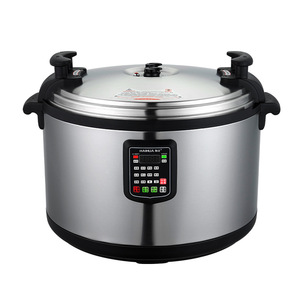
Heavy-duty multi-function electric pressure cooker tailored for Norwegian HoReCa, hotels, and institutional catering.
Contact Us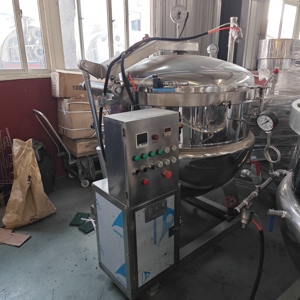
High-thermal output design engineered for fast cooking of meats, stews, root vegetables, and seafood broths.
Contact Us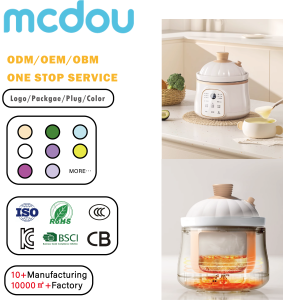
Precision digital micro-pressure system ensuring accurate heat control and maximum nutrient retention.
Contact Us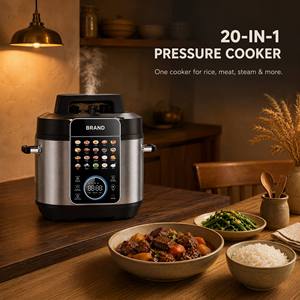
Dual inner-pot hard-anodised micro-pressure system with intelligent touch interface for domestic kitchens.
Contact Us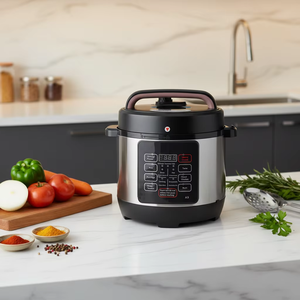
Versatile volume choices equipped with double safety locks, tailored for Scandinavian retail outlets.
Contact Us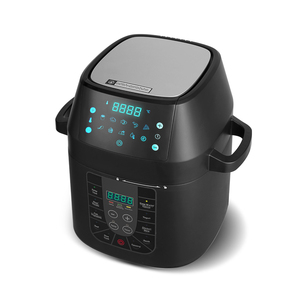
Non-reactive anodic layer technology preventing food sticking and guaranteeing 600HV surface hardness.
Contact Us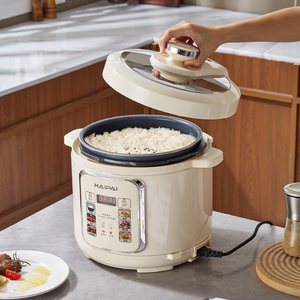
Compact footprint, low power consumption, and whisper-quiet operation suited for modern urban Nordic apartments.
Contact Us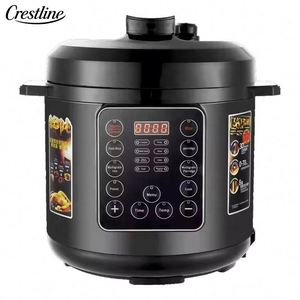
High-power efficiency system featuring dual pressure release mechanisms for commercial kitchen safety.
Contact UsFrom raw alloy selection to electrochemical hard-anodizing and CE quality control, we provide full-spectrum OEM/ODM solutions tailored to Northern European compliance standards.
Our specialized electrolyte bath process converts virgin aluminum into an ultra-durable anodic oxide layer exceeding 50 microns thickness. The surface is twice as hard as stainless steel, non-reactive, non-peeling, and immune to acidic food corrosion.
Engineered in accordance with EN 12778 pressure vessel standards. Each unit integrates a primary weight valve, secondary metallic safety plug, gasket release system, and lid-lock security preventing opening under residual pressure.
100% free from PFOA, PFOS, lead, and cadmium. Certified under Regulation (EC) No 1935/2004 and Norwegian Food Safety Authority (Mattilsynet) requirements for heavy-metal migration limits.
As Northern European culinary institutions, commercial kitchens, and household consumers increasingly prioritize energy efficiency and long-term durability, hard-anodised pressure cookers have emerged as the gold standard in thermal cookware engineering. Operating in Norway's demanding market requires kitchen hardware capable of satisfying rigorous safety mandates—such as the Pressure Equipment Directive (PED 2014/68/EU)—while offering exceptional heat transfer rates across both induction hobs and traditional radiant heat surfaces.
This whitepaper examines the metallurgical mechanics of hard anodization, thermal transfer dynamics, local Scandinavian culinary applications, regulatory compliance frameworks, and supply chain strategies for Norwegian cookware importers and brand owners.
Standard aluminum cookware possesses excellent thermal conductivity but suffers from low surface hardness, susceptibility to corrosion from organic acids, and potential metal leaching when exposed to high-acidity foods. Hard anodization resolves these structural weaknesses through a controlled, high-voltage electrochemical process.
The resulting surface exhibits a Vickers Hardness rating exceeding 600 HV—significantly harder than commercial grade stainless steel (typically 150–200 HV). This structural hardness renders our pressure cookers resistant to metal utensil scratching, thermal warping, micro-pitting, and acidic degradation.
Cooking requirements in Norway reflect both unique traditional gastronomy and high modern energy standards. In cold climate regions, minimizing domestic power consumption while preparing slow-braised meats and dense root dishes requires maximized heat retention.
Recipes such as Fårikål (mutton and cabbage stew), Finnbiff (reindeer stew), and Pinnekjøtt require extended tenderization. Hard anodised pressure cookers raise boiling temperatures to 118°C–120°C under 80–90 kPa pressure, cutting braising time from 3.5 hours down to 45 minutes without compromising meat fiber integrity.
With Scandinavian electricity prices fluctuating based on seasonal demand, reducing cook times by up to 70% delivers measurable kilowatt-hour savings for commercial restaurants and eco-conscious household consumers across Oslo, Bergen, and Trondheim.
Navigating the Norwegian market requires absolute adherence to both EU directives and local administrative rules enforced by the Norwegian Food Safety Authority (Mattilsynet). As a trusted OEM manufacturer serving Northern European importers, our production lines maintain strict compliance verification.
Importers selecting inventory for Scandinavian distributors often evaluate performance metrics across different materials. Below is an engineering comparison matrix:
| Performance Feature | Hard Anodised Aluminum | 304 Stainless Steel | Enamelled Cast Iron |
|---|---|---|---|
| Thermal Conductivity | 225 W/m·K (Ultra Fast) | 16 W/m·K (Slow Heat Up) | 52 W/m·K (Moderate) |
| Surface Hardness | 600+ HV (Scratch Proof) | 180 HV (Scratches Easily) | 450 HV (Chipping Risk) |
| Weight-to-Volume Ratio | Lightweight (Ergonomic) | Medium Heavy | Extremely Heavy |
| Acidic Food Resistance | Non-Reactive (Impermeable) | High | Medium (Enamel wear risk) |
We provide comprehensive private label and OEM manufacturing services tailored to Norwegian cookware brands, retail chains, and commercial food service providers. Our facilities house high-capacity hydraulic press lines, robotic anodizing tanks, and automated laser-engraving stations.
Everything you need to know about custom manufacturing, CE compliance, shipping logistics to Norway, and minimum order quantities.
Partner with a trusted manufacturer holding 40+ years of engineering heritage. Contact our global trade support team today for technical catalogs, pricing samples, and factory audit reports.