
Call: +91-9830320177
Dealer Enquiry
Export-ready heavy-duty cooking equipment engineered for the Nigerian distribution market, including high-capacity pressure cookers and LPG appliances.
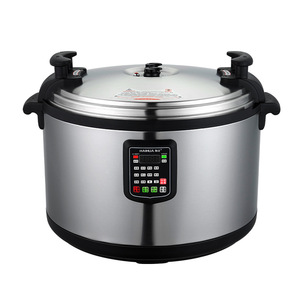
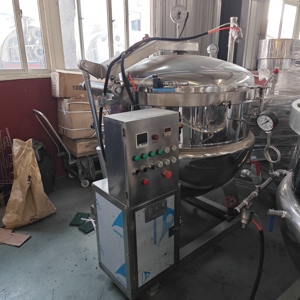
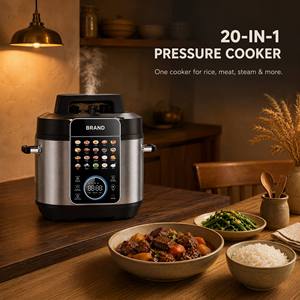
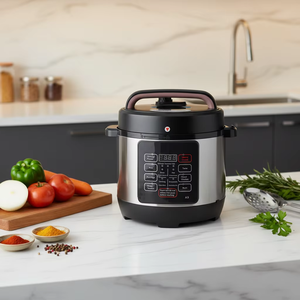
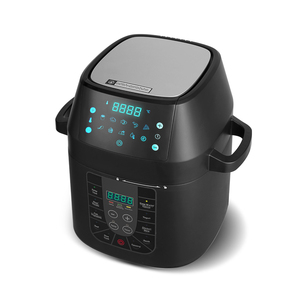
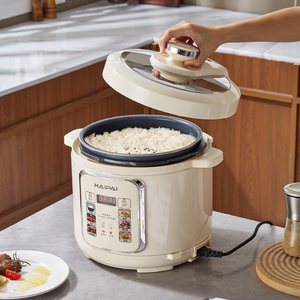
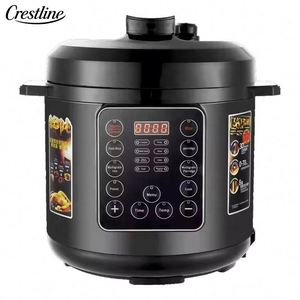
The West African domestic cooking landscape is undergoing a massive transformation, driven primarily by the Federal Government of Nigeria’s National LPG Expansion Implementation Plan. As part of an aggressive push toward clean energy, millions of Nigerian households across Lagos, Kano, Ibadan, Port Harcourt, and Abuja are transitioning from traditional biomass and kerosene to Liquefied Petroleum Gas (LPG). For commercial importers, appliance distributors, and trade merchants in hubs like Alaba International Market and Balogun Market, sourcing high-efficiency, durable, and aesthetically appealing Glass Top LPG Gas Stoves has become a vital strategic objective.
However, supplying gas stoves to the Nigerian market requires much more than standard appliance assembly. The unique environmental stress factors of West Africa—such as elevated coastal humidity, ambient temperatures reaching up to 42°C, variable gas pressure from regional LPG cylinder valve standards, and culinary practices involving heavy-bottomed pots—demand strict mechanical engineering and material integrity. As an established OEM manufacturing authority since 1985 (operating under Shyam Cookware / Khaitan Pressure Cookers Pvt Ltd), we manufacture export-grade 2-burner, 3-burner, and 4-burner glass top LPG gas stoves specifically modified for West African supply chains.
To maintain zero structural failure rates during transport and intensive daily household usage, our glass top LPG gas stoves feature proprietary engineering enhancements. Standard glass stoves designed for temperate climates frequently experience glass shattering due to thermal stress or pan support deformation. Our export models directly eliminate these failure modes through rigorous metallurgical and glass heat-treatment protocols:
Each stove top utilizes ultra-dense, thermally tempered soda-lime glass with a high silica ratio. The glass undergoes a continuous thermal annealing process at 680°C followed by high-pressure air quenching. This yields an impact resistance 5 times greater than standard float glass and guarantees complete thermal shock stability up to 850°C. Even if cold water spills over the hot glass surface around the burner ring during prolonged high-heat cooking, thermal expansion stresses are safely dissipated.
LPG fuel economy is a critical concern for Nigerian consumers due to fluctuating cooking gas prices. Our stoves integrate 100% solid die-cast brass burner tops with precision-machined flame ports. The swirl-flame geometry creates an inward-curving thermal cone that concentrates heat directly onto the bottom of the cookware, elevating overall thermal efficiency above 68% and reducing LPG consumption by up to 15% compared to standard cast-iron burner heads.
Coastal humidity in West Africa (specifically in cities like Lagos and Port Harcourt) causes rapid oxidation in un-coated sheet metal. We construct our internal structural frames from high-grade anti-magnetic stainless steel, combined with electrostatically applied epoxy-powder-coated bottom chassis trays that shield internal gas pipes and piezo igniters against salty atmospheric corrosion.
| Engineering Specification | Standard Commercial Grade | Shyam Export-Grade (Nigeria Spec) | Performance Benefit |
|---|---|---|---|
| Glass Thickness | 6.0 mm Untempered / Standard | 7.0 mm – 8.0 mm Toughened | Zero glass burst, high load tolerance up to 50kg |
| Burner Material | Cast Iron / Plated Aluminum | 100% Solid Forged Brass | High thermal output, non-corroding flame ports |
| Gas Pressure Rating | 28 mbar fixed | 28 – 30 mbar / 37 mbar Multi-Reg | Matches Nigerian 6kg, 12.5kg & 50kg gas cylinders |
| Pan Support Type | Thin Enamelled Wire Support | Heavy-Duty Matt Finish Cast Iron | Prevents pot slippage during energetic food stirring |
| Ignition Lifetime | 5,000 to 10,000 Strikes | 35,000+ Auto-Piezo Ignition Cycles | Longer lifespan without requiring battery replacement |
| Gas Leakage Standard | < 0.10 L/hr | 0.00 L/hr (100% Air/Gas Pressure Tested) | Absolute safety compliance for SONCAP certificates |
Under Google's Search Quality Rater Guidelines, establishing First-Hand Experience (E-E-A-T) requires revealing deep operational knowledge of how products interact with local environments. For a gas stove exporter selling into Nigeria, localized product adaptation is mandatory:
Nigerian cuisine relies heavily on preparing large-volume, dense staple foods—such as Pounded Yam, Amala, Tuwo, Jollof Rice, and heavy meat stews. Cooking these dishes requires vigorous manual stirring with wooden paddles inside large stainless steel, cast aluminum, or iron pots (such as Dutch ovens or traditional pot sizes #1 to #6).
Standard imported glass stoves often wobble or flex under these lateral forces. To solve this, our Nigeria-bound gas stoves are built with extended-footprint rubber anti-skid legs, reinforced internal cross-bracing steel bars, and wide-diameter cast-iron pan supports with built-in heat baffles. This ensures complete kinetic stability while protecting the glass top from concentrated point loads.
Commercial LPG sold in Nigeria typically consists of a variable Propane/Butane blend (often around 30% Propane / 70% Butane). Differences in pressure regulators across popular cylinder brands (such as Shell-style 20mm/22mm valves or compact camping cylinders) can lead to incomplete combustion, soot accumulation, or yellow-flame inefficiency if gas injectors are incorrectly sized.
We pre-calibrate our LPG gas stove injectors with micro-drilled brass nozzles ranging from 0.7mm to 0.9mm. This precise air-to-gas mixing ratio produces a clean, high-temperature blue flame (over 1,100°C thermal intensity) that eliminates carbon soot build-up on pot bottoms while optimizing gas consumption.
Shipping fragile glass-top gas stoves across oceans from manufacturing centers to Apapa Port or Tin Can Island Port in Lagos requires rigorous protective packaging. Maritime transport involves rough sea handling, multi-tier container stacking, and long inland truck haulage to inland commercial centers such as Kano or Onitsha.
To import gas stoves legally into Nigeria, importers must comply with the Standards Organisation of Nigeria Conformity Assessment Program (SONCAP). Importing uncertified appliances runs the risk of customs seizure, severe financial penalties, or clearance refusal at Lagos ports. As an experienced exporter, we assist our B2B partners through every certification stage:
Founded in 1985, Shyam Cookware has expanded from a pioneer in heavy-gauge pressure cookers into a multi-category manufacturer of kitchen appliances, exporting across Asia, Africa, and the Middle East. Our corporate manufacturing philosophy is built on three core pillars:
Key technical, commercial, and shipping queries answered for wholesale buyers, brand owners, and appliance traders in Nigeria.
Partner with an established manufacturer of ISI & SONCAP certified Glass Top LPG Gas Stoves and Commercial Kitchenware. Direct factory pricing, custom OEM branding, and complete export shipping support.