Global Market Insights Global Procurement Trends in Pressure Cooker Spare Parts
As global supply chains realign and consumer demand for durable home appliances accelerates, the B2B procurement dynamics for pressure cooker spare parts are undergoing strategic shifts. Procurement officers for major retail chains, e-commerce brand aggregators, and commercial kitchen suppliers are prioritizing four dominant trends:
1. Rapid Migration to Liquid Silicone Rubber (LSR) Gaskets
Traditional black natural rubber gaskets are rapidly being phased out across North America, Europe, and Asia-Pacific markets due to concerns over elastic degradation, rubber odor transfer, and carbon black leaching. International buyers now mandate food-grade Liquid Silicone Rubber (LSR) gaskets. LSR provides superior thermal stability, extended shelf life without drying out, and complete inertness during high-acid cooking conditions. Suppliers offering platinum-cured silicone spare parts are winning premium B2B contracts.
2. SKU Rationalization & Universal-Fit Replacement Bundling
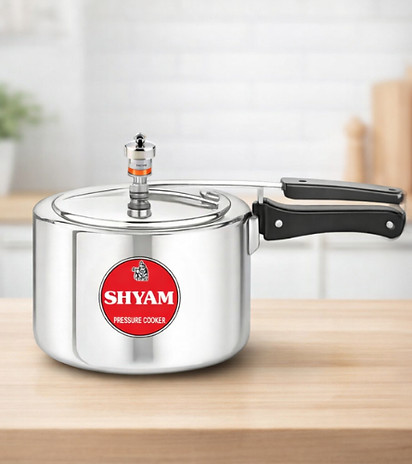
Retail importers and aftermarket service networks face mounting warehousing costs when managing hundreds of unique SKU part numbers. To streamline inventory turnover, global procurement teams demand universal-fit spare component kits—combining standard diameter silicone gaskets, multi-fit weight valves, and adaptable safety valves compatible with leading inner-lid and outer-lid brands (such as Shyam, Hawkins, Prestige, and international brands). Customized blister packaging and branded repair kits are experiencing surging demand.
3. Nearshoring, Supply Chain Diversification & Indian Manufacturing Dominance
To mitigate geopolitical friction and single-country supply dependencies, enterprise procurement heads are diversifying component sourcing toward established manufacturing hubs in India. Indian manufacturers like Shyam Cookware (Khaitan Pressure Cookers Pvt Ltd) offer high technical expertise in metallurgy, rubber molding, and precision stamping, combined with competitive labor costs and direct access to high-grade raw materials.
4. Regulatory Compliance & Zero-Chemical Leaching Standards
Regulatory bodies such as the US FDA, European LFGB, and Indian BIS (Bureau of Indian Standards) have tightened trace chemical limits in kitchenware. B2B buyers now mandate comprehensive laboratory test reports verifying the total absence of Lead (Pb), Bisphenol A (BPA), Phthalates, and Perfluorooctanoic Acid (PFOA) in all metal, plastic, and elastomer spare parts prior to customs release.